
Cockroach control in Newcastle and the Hunter
Nearly every cockroach call in the Hunter is one of two animals, and they are not the same problem. Small pale-brown roaches breeding in the kitchen are German cockroaches, arrived in the shopping. Big glossy roaches on the floor at night are up from the drain or the subfloor after warm rain. This page tells you which one you have, and what actually clears it.
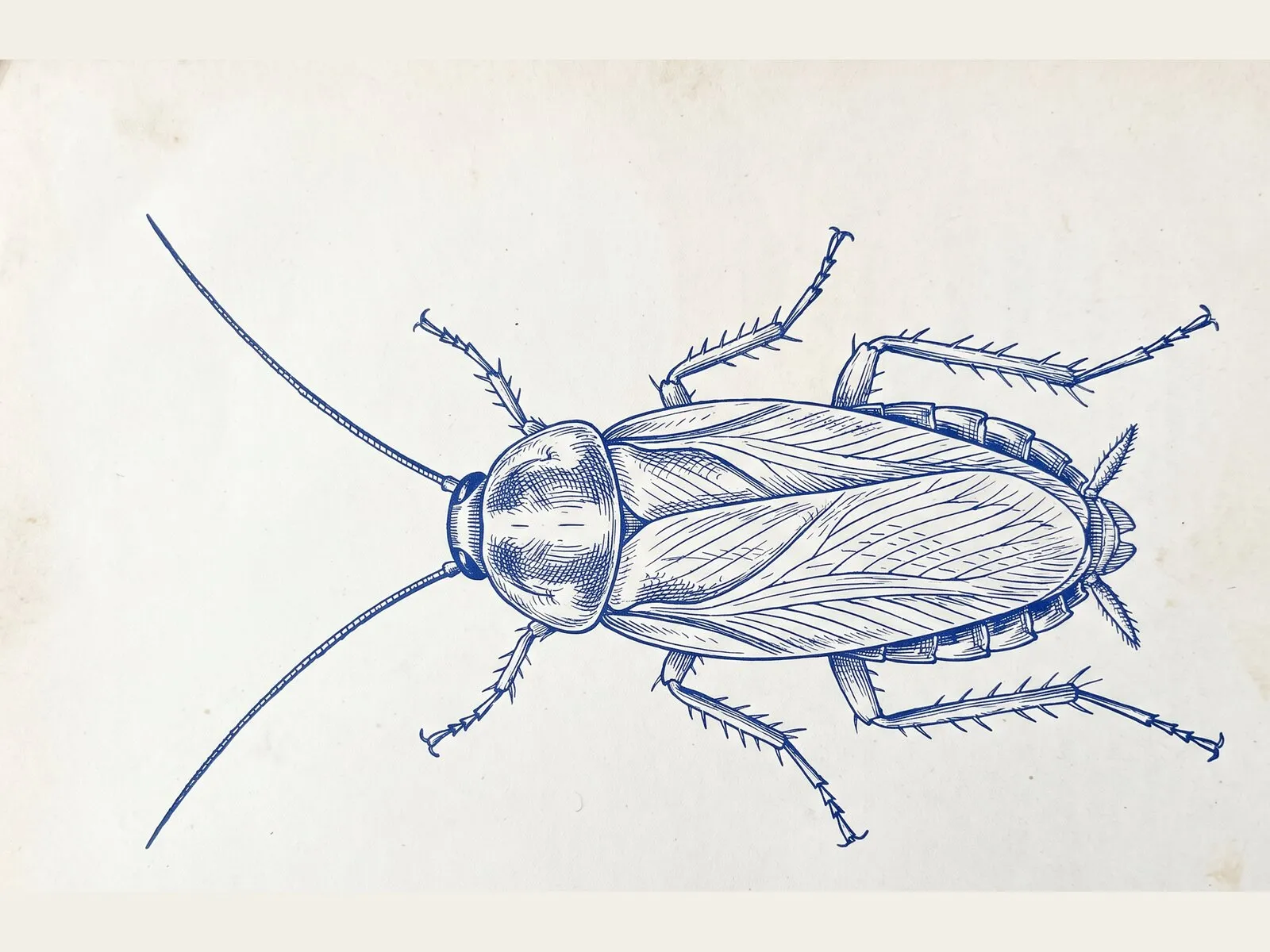
Two roaches, two different problems
Get this right first, because the fix for one is the wrong move for the other. Australia has around four hundred native cockroaches and almost none is a pest; the two below are the introduced ones you will actually meet in a house.
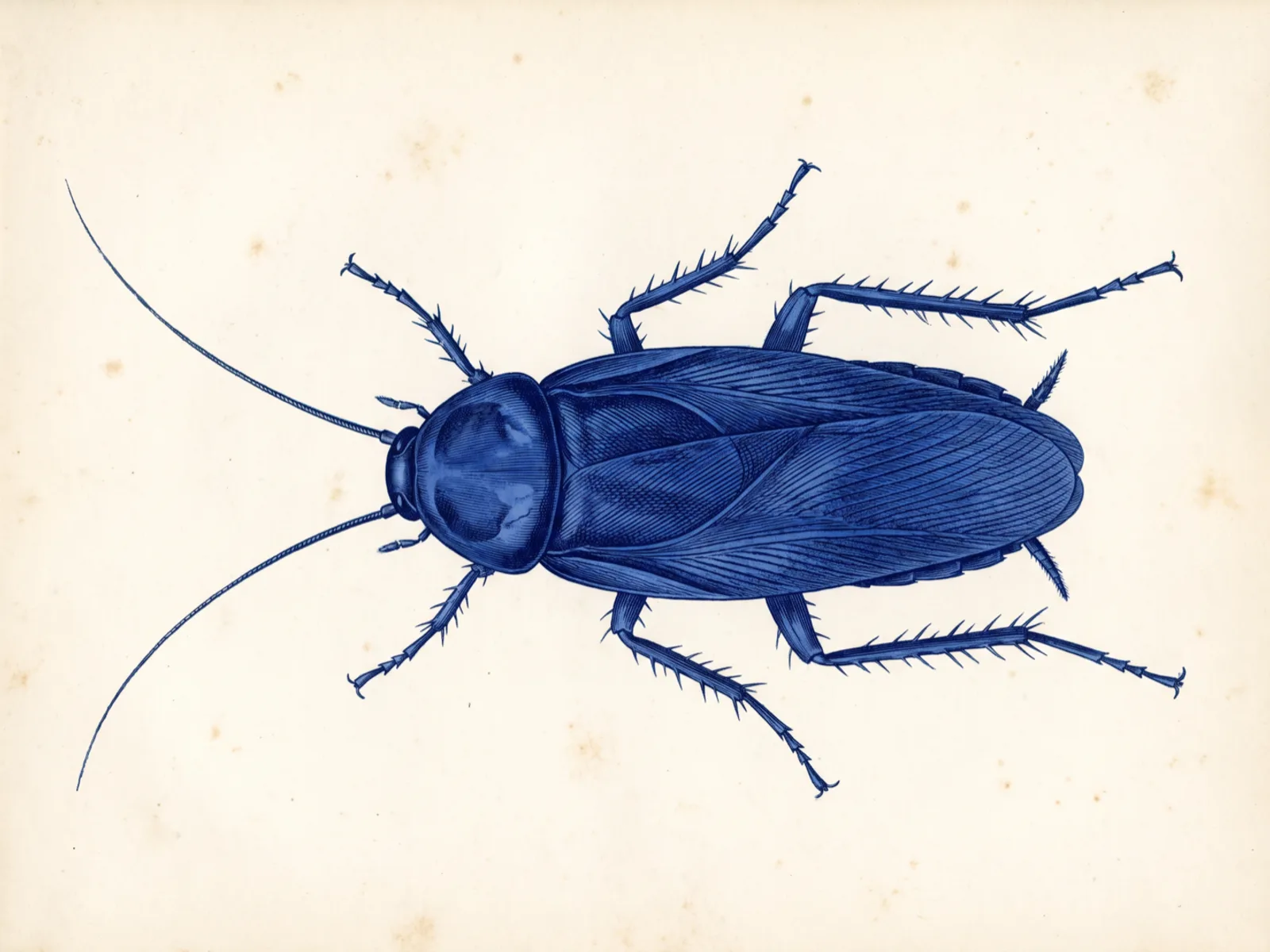
The finer tells
- Small pale roaches near the kettle or toaster
- German, almost always. They keep to warmth and food and rarely leave the kitchen, so if the sightings are all near the bench, that is your answer.
- One big glossy roach on the floor at night
- A large species, usually up from a drain, floor waste or the subfloor. It is visiting, not breeding in your kitchen, and it is a plumbing and proofing story as much as a pest one.
- Dark specks like ground pepper in a drawer or cupboard corner
- German droppings. The greasy smear along a cupboard hinge is the same thing, and it marks a harbourage we can treat straight into.
- A small brown seed-shaped case, rice-grain to lentil size
- An egg case. A German female carries hers until it is nearly ready to hatch, which is exactly why a spray that misses her buys a fortnight, not a fix.
- A faint musty, oily smell in a cupboard
- A heavier German population marking its shelter. You often smell them before you see how many there are.
- Seeing them in daylight
- Roaches are night animals. Daytime traffic usually means the harbourage is full and they are being pushed out to find room, which is a sign of numbers, not bad luck.

What they are doing in a Hunter house
The German cockroach does not really come from outside. It arrives, in a carton of longnecks, a box of groceries or the warm base of a second-hand fridge or dishwasher, and settles into the one warm damp room in the house. In a Cooks Hill terrace or a Bar Beach unit that room backs onto the neighbour's, and the void behind the kickboards and around the pipes runs straight through the party wall. That is why the roaches you have can be the roaches next door, and why the honest version of this job sometimes needs both kitchens done close together.
The big glossy roaches are a different story with a different address. They live in the drains, the subfloor and the sewer, and they come up into the house through floor wastes, gaps around pipes and the old gully trap. Newcastle's humid coast keeps subfloors and drains damp for most of the year, and a run of warm rain fills them; the fortnight after is when a large roach turns up on the bathroom floor at midnight. It is not breeding in your kitchen. It is visiting, and the fix is at the drain and the entry, not the bench.
Both are busiest from spring through to autumn, roughly September to May, when the warmth speeds up breeding. Winter slows them without stopping them, because a heated kitchen keeps a German population ticking over right through the cold.
What actually clears them
A cockroach job that lasts has three parts. Which parts matter depends on which roach you have, and the can of surface spray under the sink works against all of them.
Find the harbourage, not just the roach
We take the kickboards off, look behind and under the fridge, the dishwasher motor housing, the hinges and the drawer runners, and we check the floor wastes, the subfloor and the drains. German roaches and large roaches shelter in completely different places, so the first job is working out which problem you have and where it actually lives.
Bait where they harbour, not spray where you see them
German control is gel bait placed into the cracks and voids where they shelter, so they feed, carry it back and pass it through the population, egg-carrying females included. A surface spray on the bench does the opposite: it scatters a colony deeper into the wall cavity and makes the next look harder. For the large roaches we treat the harbourage and the entry points instead, because a drain roach is a plumbing problem wearing six legs.
Break the cycle and shut the way in
Egg cases survive the first treatment, so a follow-up catches the hatch and confirms the numbers are actually down, not just quiet for a fortnight. Then the lasting part: drain screens and sealed floor wastes for the large roaches, and for the German, cutting the food and damp that let a stray become a colony. Proofing is the difference between a treatment and an annual habit.
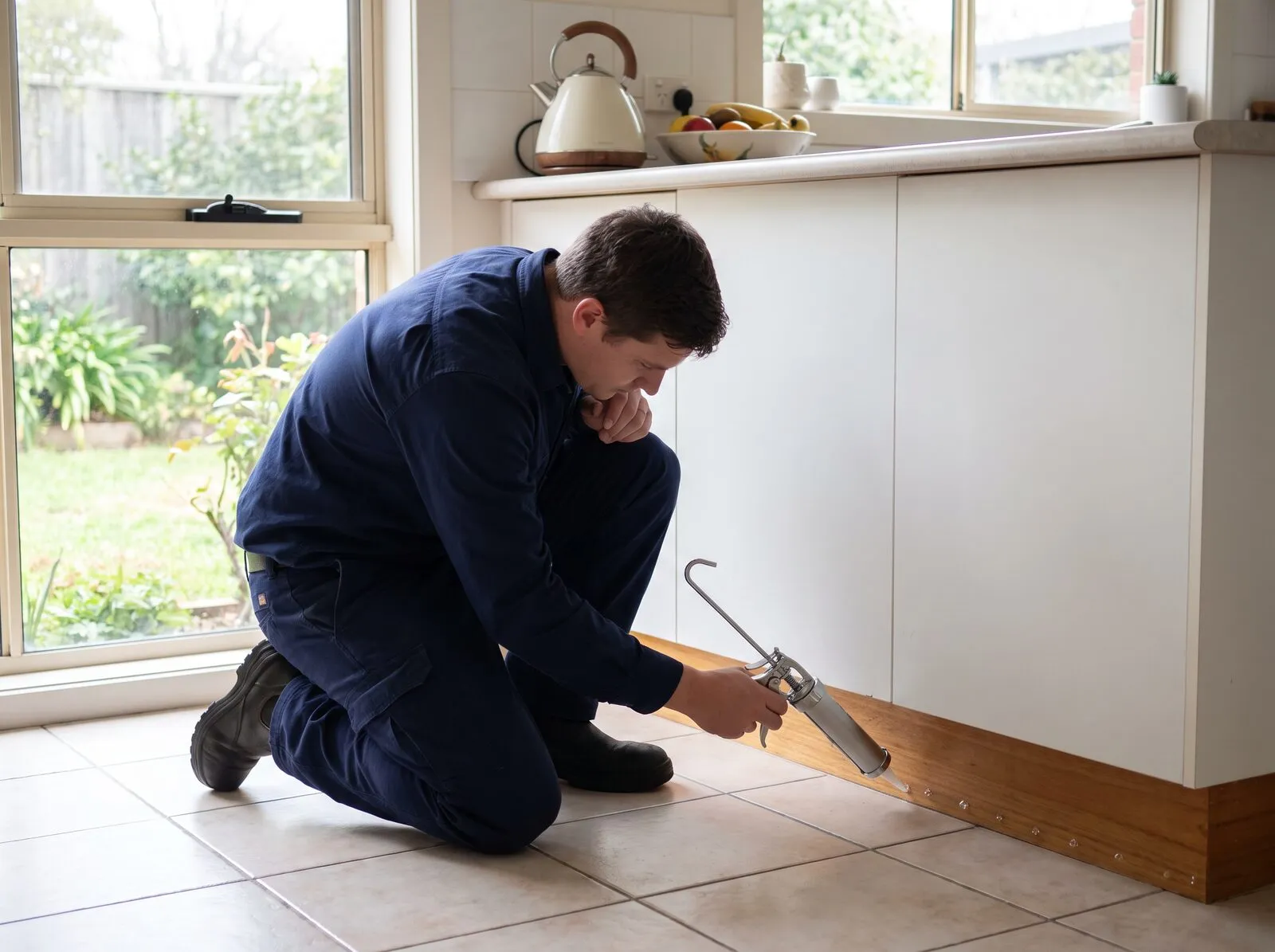
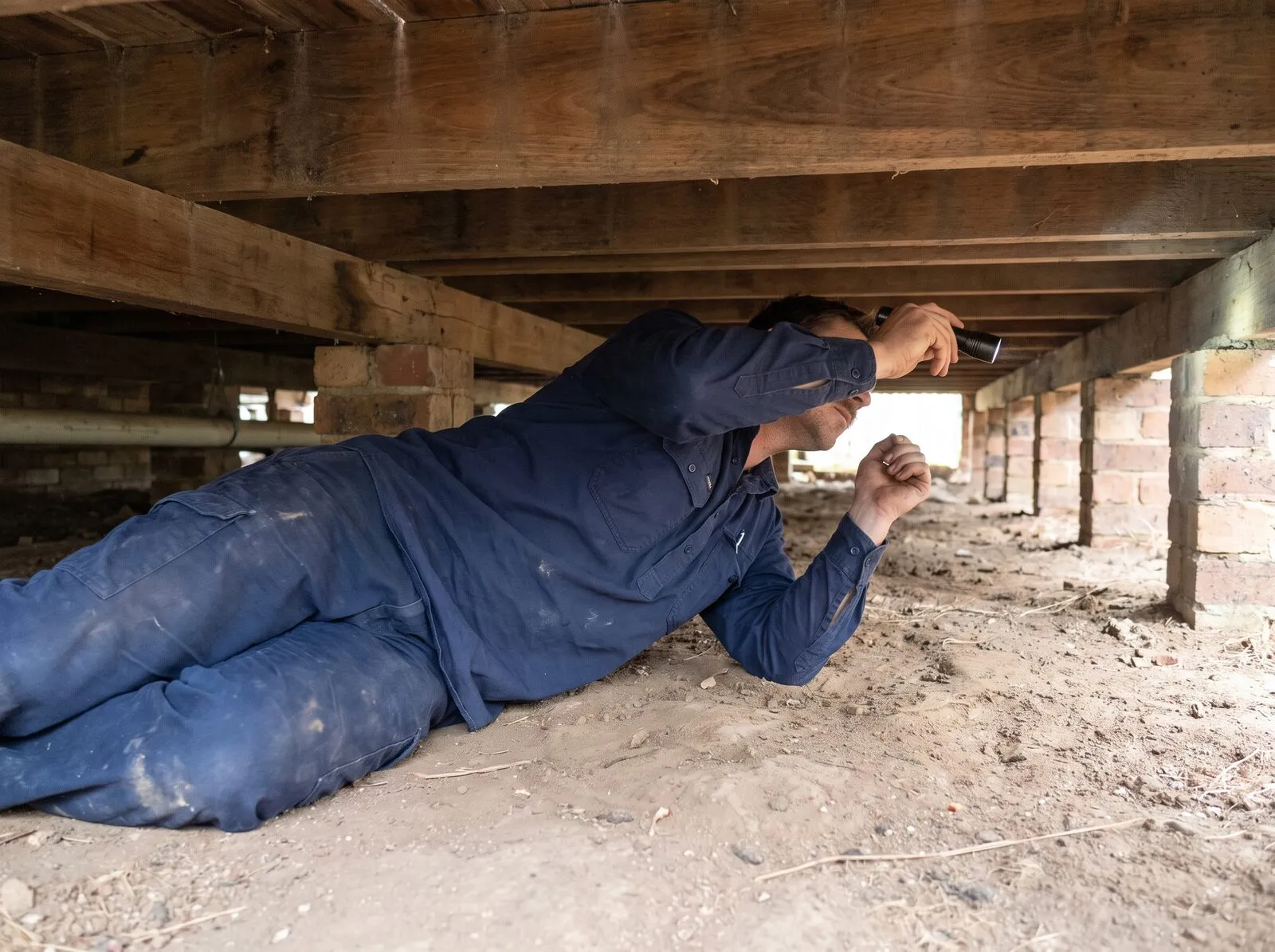
Illustrative photos. Methods are described generically; every kitchen is quoted on what it needs.
The honest fine print
Party walls and shared kitchens. In a terrace row or a unit block, German cockroaches travel the connected voids behind the kickboards and around the pipes. We can knock your kitchen right down, but if the flat next door or a shared bin room is feeding the wall, the pressure keeps coming back. The straight answer is that the durable fix sometimes needs the neighbour, or the strata manager, in on it, and we will say so in writing instead of selling you a subscription to half a job.
The supermarket bomb usually makes it worse. Foggers and bench sprays feel decisive and, on a German infestation, tend to scatter the breeding females deeper into the cavity. There is no shortcut that beats bait placed where they actually live. If you have already used a fogger, tell us in the enquiry so we can work around what it moved.
It is not about how clean you are. German cockroaches hitchhike in on shopping and second-hand goods; the big roaches come up from the drain and the structure. A spotless kitchen can have both. Good hygiene helps a treatment hold, but the arrival was never a verdict on your housekeeping.
Renting? Whether the roaches are the tenant's or the owner's to sort depends on cause and the lease, and in a shared wall it is rarely clear-cut. The renting guide covers it plainly.
One visit is rarely the whole job. Bait needs time to move through a population and the egg cases hatch after the first treatment, so a German job is usually treat, then check. We say so up front rather than promise a one-spray miracle.
Asked from Hunter kitchens
Little brown ones by the kettle, where did they come from?
German cockroaches, and they almost always hitchhiked in, in a carton of groceries, a slab of longnecks, or the warm base of a second-hand appliance. It is not a comment on your cleaning. They breed quickly in a warm kitchen, so the sooner it is treated the smaller the job.
A big one on the bathroom floor at night after rain. Same problem?
No, a different roach with a different address. The large glossy ones live in the drains and subfloor and come up after warm weather and rain. The fix is the entry and the harbourage, drain screens, sealed floor wastes and the subfloor, not gel bait on your kitchen bench.
My unit neighbour has roaches. Is treating my kitchen a waste?
Not a waste, but partial. Baiting your kitchen and the cavity edges will knock your population right down; the shared wall means pressure from next door keeps arriving. The honest fix is both sides treated near the same time, and where it is common property we can work through the strata manager. We would rather tell you that than sell you a forever plan for half a solution.
Can I just set off a bomb from the supermarket?
With German cockroaches it usually backfires. A fogger scatters the colony deeper into the wall cavity and disperses the egg-carrying females, so you see fewer for a week and more a fortnight later. Bait placed into the harbourage is slower to look impressive and far more likely to actually finish it.
I sprayed and they came back two weeks later.
That is the egg cases hatching. The spray killed the roaches it touched but missed the ones sheltering in the cavity and the cases the females were carrying. This is why the job is bait into the shelter plus a follow-up, rather than one pass with a can.
Are the ones in my garden the same as the kitchen ones?
Usually not. Most roaches you see outdoors in the Hunter are native species that live in leaf litter and do not infest houses. The kitchen pest is the German cockroach, and it is an indoor animal. If you are not sure, a photo with the enquiry is enough for us to tell you which you are looking at.
- NSW EPA, Pesticide licences. Cockroach treatment around a home is licensed pesticide use in NSW; this is the scheme that governs the technicians who do the work.
- Australian Museum, German Cockroach. The reference identification for the kitchen pest, including why it is the hardest of the pest roaches to shift.
- Australian Museum, Cockroaches: Order Blattodea. The overview: around four hundred native species, only a handful of introduced pests, and why the shiny brown roach indoors is almost never a native one.

Tell us what you have seen
A description and a suburb is enough. A licensed technician reads every enquiry, works out what the job needs, and comes back with a straight answer and a free quote. No obligation, no pressure.