
Pest control in Lake Macquarie
Most of the lake is one kind of house: postwar brick-and-tile, sitting on low piers, with a garden that has had forty years to grow up around it. In this stock the pest story is under the floor, not at the front door. This page is what we look for beneath yours, and why the subfloor answers the question before we stand up.
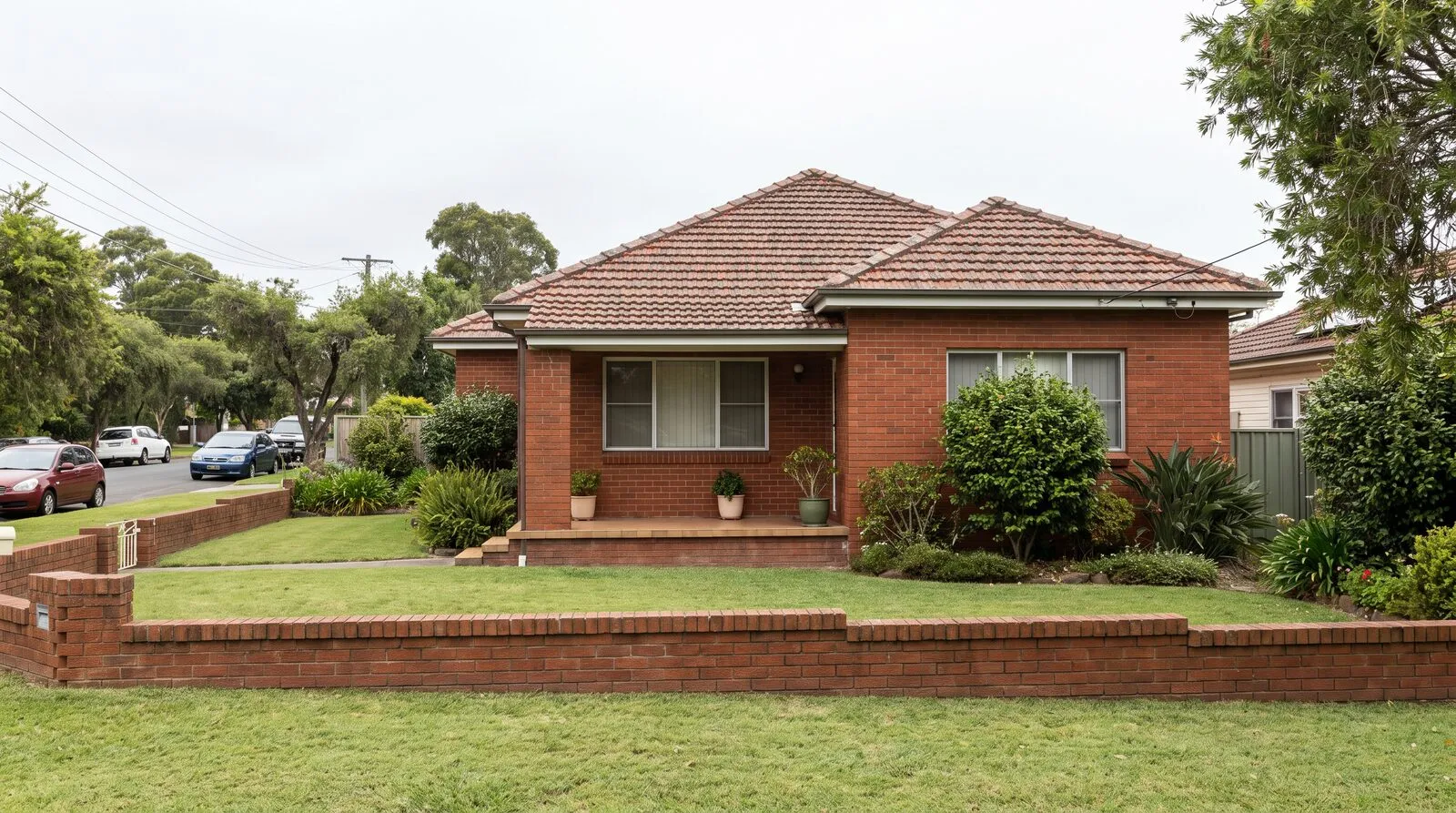
What forty years does to a subfloor
A brick-and-tile house on piers is built to breathe. Air moves through the vents in the base course, keeps the subfloor dry, and dry timber is timber termites are not interested in. The trouble is slow and it is nobody's fault: the garden matures, the beds creep up the wall, a path gets paved a little higher, and one by one the things keeping the floor dry stop working. None of it looks like a pest problem. All of it is the invitation.
- Buried and blocked vents
- Garden beds, raised paths and stacked pots grown up over the airbricks. The subfloor stops breathing, the damp stays in, and damp under an old floor is the single most common conducive condition we find on the lake.
- Beds and mulch against the base course
- Soil and mulch mounded up the brickwork cover the weep holes and the base course, giving foraging termites a shaded, humid path from the ground straight up behind the render, out of the light and out of sight.
- Timber touching the ground
- A sleeper garden edge, a fence post, a deck bearer or a retaining bed resting against the wall. Timber-to-soil contact is a bridge over every barrier a house has, and it is usually the first thing we ask you to pull away from the brickwork.
- The quiet leak
- A dripping air-conditioner drain, a cracked gully trap, a downpipe emptying beside the piers. One permanent wet patch under the floor is worth more to a colony than the whole rest of the yard.
- Timber stored in the subfloor
- Offcuts, old floorboards and firewood stacked under the house. It is feed with a roof over it, and it hides the piers we most need to see.
Same house, three positions on the water
Lake Macquarie is a saltwater lake about twice the size of Sydney Harbour, and the suburbs ring it from the ridge down to the shore. The house is much the same everywhere; how wet the ground under it stays is not.
- The ridge and the high streets
Charlestown · Valentine · Macquarie Hills · Garden Suburb - Up on the higher ground the subfloor drains and dries the way it was meant to, so the vents matter more, not less. Here the problem is almost always something we can point at: a buried airbrick, a bed built up against the wall, a downpipe in the wrong place. Fix the condition and the house looks after itself.
- The foreshore and the low streets
Warners Bay · Belmont · Speers Point · Marks Point · Eleebana - Down near the water the ground sits close to the water table and the subfloor never fully dries, whatever the garden is doing. The lake does not bring termites; the standing damp it keeps under a low floor is what they forage toward. On the foreshore streets we check moisture and ventilation before anything else.
- The western valley and the bush edge
Cardiff · Edgeworth · Toronto · Morisset · Boolaroo - Older workshop-wage brick and fibro on one side, the reserve and the Watagans foothills on the other. The subfloor story still holds, and the bush line adds its own list: redback spiders in the stored gear and under the eaves, and rodents pushing in off the reserve when the weather turns.

The calls we get from these streets
- PL. 06TermitesDamp subfloors, buried vents and gardens over the weep holes: the lake's standing storyYear-round→
- PL. 04Rats and miceInto the roof voids every autumn, and off the reserve out west after heavy rainPeak Apr to Sep→
- PL. 05SpidersRedbacks in the garage and stored gear; more of them along the western bush edgePeak Sep to Apr→
- PL. 03AntsTrails through the brick base and pavers; a flush after summer rain that is worth a second lookActive Sep to May→
Flying ants at the house after rain are worth a proper look before you reach for the spray. The flying ants or termites guide is the five-second check.
What an inspection covers here
In this stock the order is the method. We start low and work up, because the subfloor settles most of the questions in one crawl.
Open the subfloor
The access hatch, or a vent lifted, and a torch along the bearers and the brick piers. Dry, ventilated timber and clean piers are the good news we are hoping to find. What we are reading for is moisture, mud and any timber resting where it should not.
Read the vents and the moisture
Which airbricks are buried, painted over or grown out; where the ground sits against the base course; where the damp patch is and what is feeding it. Most of what we recommend on the lake is a ventilation and drainage list, not a chemical one.
Walk the perimeter and the gardens
The weep-hole line, the beds mounded against the wall, the sleepers and the fence, the mulch pulled back from the brickwork. This is the outdoor half of the same story, and often where the quickest wins are.
Anything termite-shaped gets an inspection, not a guess
A mud lead up a pier, a skirting that sounds hollow, an architrave that gives: we stop there. Leave it undisturbed, and book a termite inspection before a word about treatment. Disturbing active workings only scatters them and makes the real job harder.
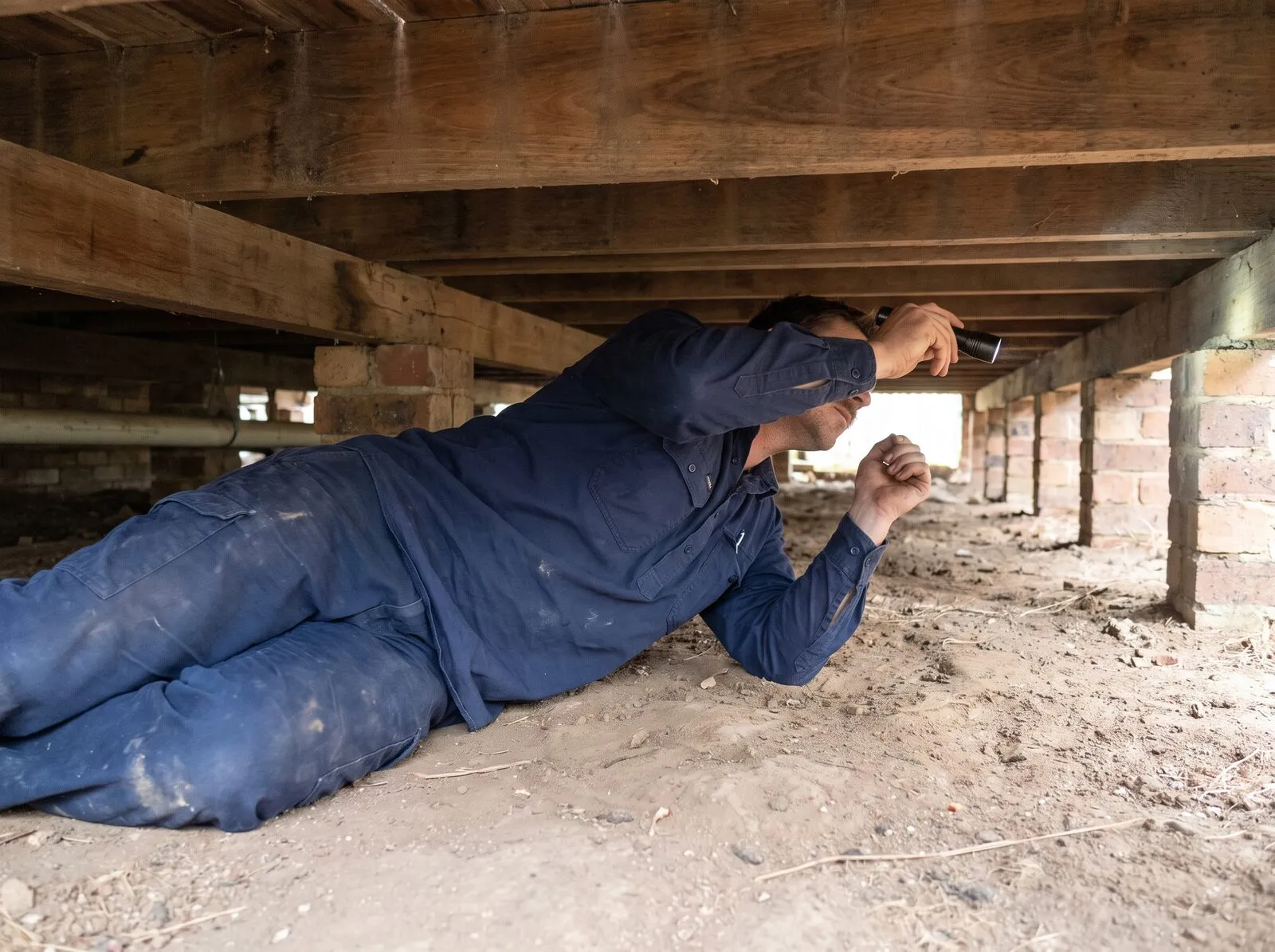
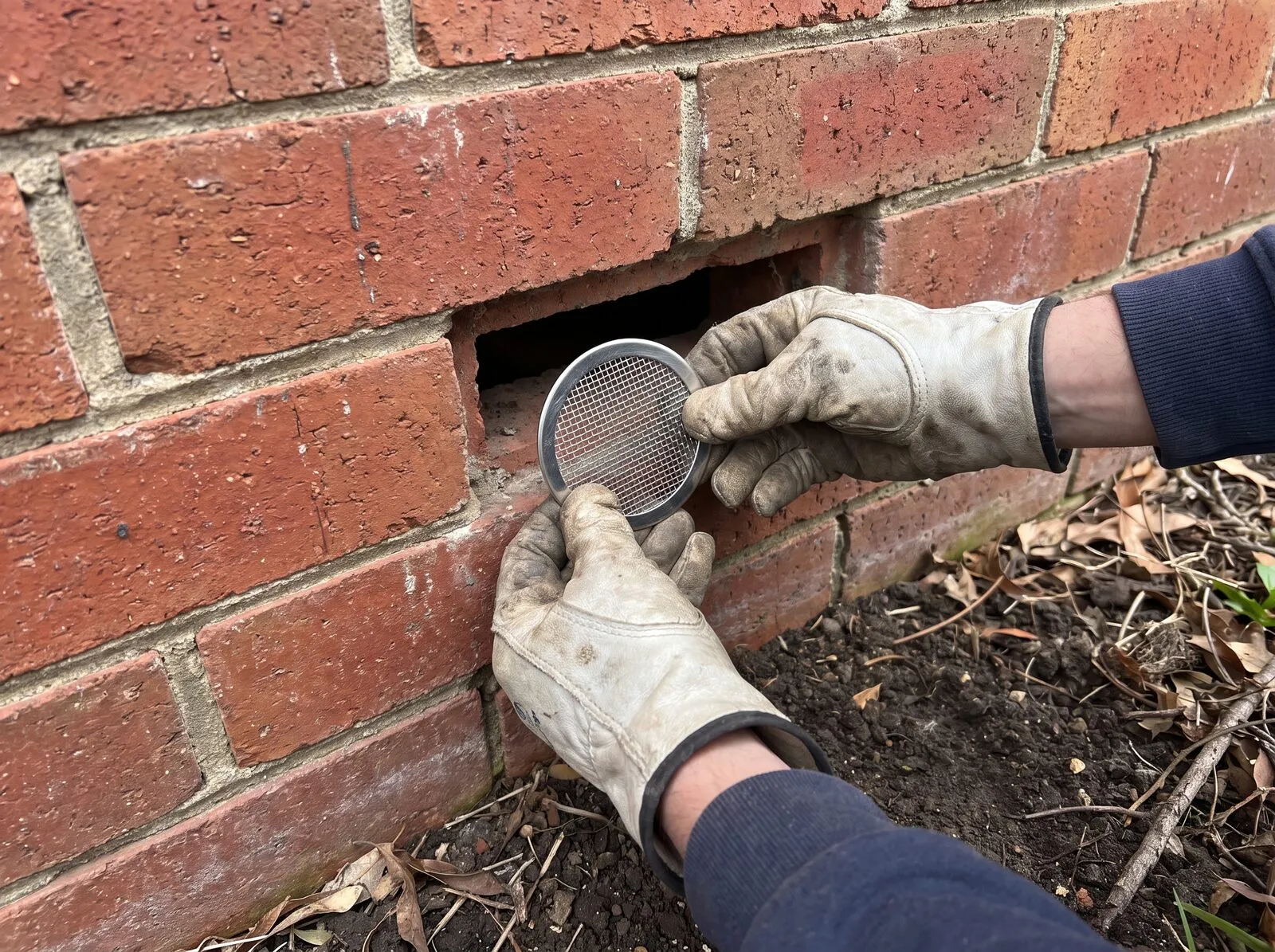
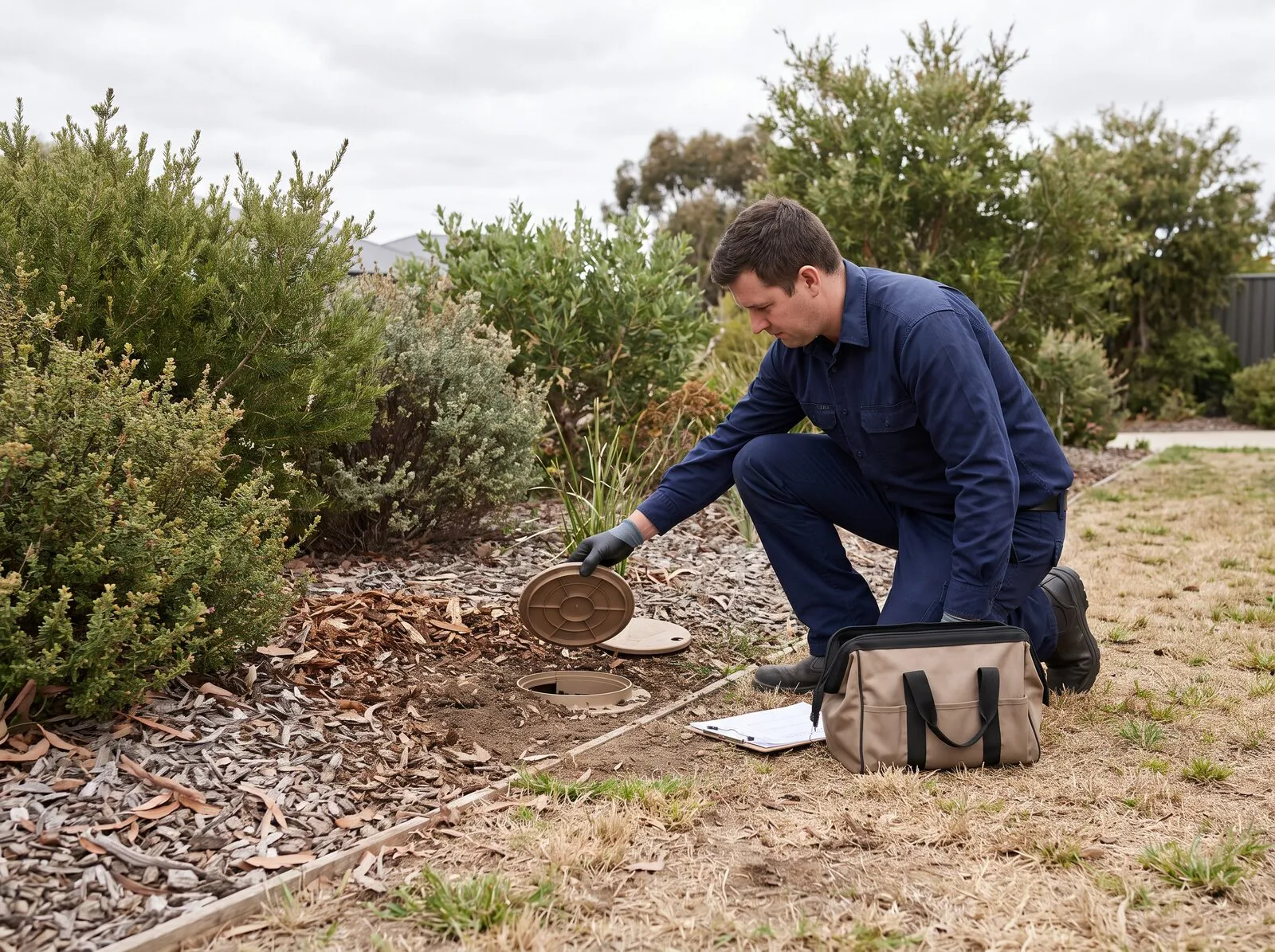
Illustrative photos. Methods described generically; every job is quoted on what your house needs, after a look.
Suburbs we cover from here
Charlestown · Warners Bay · Speers Point · Belmont · Valentine · Eleebana · Cardiff · Glendale · Edgeworth · Macquarie Hills · Garden Suburb · Boolaroo · Toronto · Morisset · Swansea · Marks Point · Blacksmiths · Cardiff Heights · Cardiff South
One book covers the whole lake, ridge to shore. The Newcastle inner-ring terraces and weatherboards are a different first look again, covered on the Newcastle page; the Maitland floodplain and Port Stephens sand-and-bush country each have their own.
Asked from these suburbs
I have a brick house. Aren't termites a weatherboard problem?
No, and it is the most common thing we correct on the lake. A brick-and-tile home is nearly always brick veneer: a single skin of brick over a timber frame, with a cavity between them. Termites come up inside that cavity, behind the brick, where you cannot see them. The brick is a raincoat, not a barrier. That is exactly why the subfloor and the vents matter so much here.
My vents are covered by the garden. Is that really a problem?
Yes, and it is usually the cheapest problem on the list to fix. The subfloor needs those vents to breathe; blocked, it holds damp, and damp is the condition termites forage toward. Clearing the beds back off the base course, uncovering the airbricks and adding vents where a house is short is often the first thing we recommend, and it is work most of us can do in a weekend.
We are right on the lake. Does the water make it worse?
The lake does not bring termites, but the low foreshore streets sit close to the water table, and a subfloor that never fully dries is a standing invitation whatever the garden is doing. Down there we check moisture and ventilation before anything else, and drainage does more of the work than any spray. Whether your house has a live problem is a question only an inspection answers.
Termite inspection or general treatment: which do we need?
Different jobs. The general pest treatment is the perimeter, spider and cockroach visit that keeps the everyday pests down. The termite side is a separate piece of work: a detailed visual termite inspection that reads the subfloor and roof void for termites and the damp that draws them. We will tell you plainly which one your house needs, and it is often both, staged.
Do you cover the far side, Toronto and Morisset?
Yes. The whole City of Lake Macquarie is one service area for us, ridge to shore and around to the western and southern lakeside. Tell us the suburb in the enquiry and it helps us plan the run; it never changes the quote.

Tell us what you have seen
A description and a suburb is enough. A licensed technician reads every enquiry, works out what the job needs, and comes back with a straight answer and a free quote. No obligation, no pressure.