A field guide to what is in your house Newcastle · Lake Macquarie · Maitland · Port Stephens
Local Pest Control
The lead service

General pest treatment in Newcastle and the Hunter

The whole-house visit for the everyday pests: cockroaches, ants, spiders and webbing, silverfish and the wasp check. It starts with a look, not a spray. We find where the pests are living, treat that, and tell you plainly whether one visit settles it or your house wants an ongoing eye. This page is exactly what that visit covers, and why the order matters.

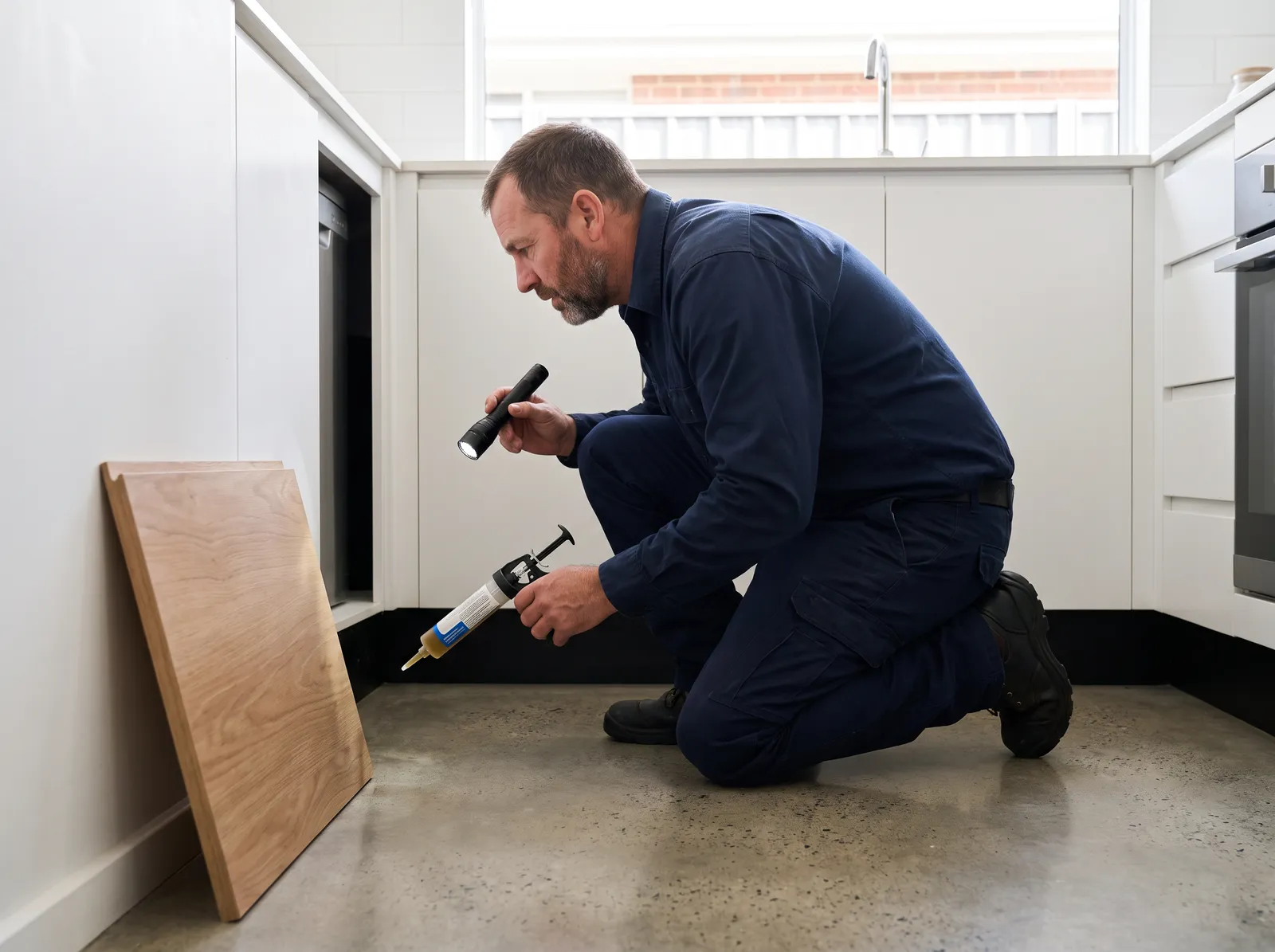
A licensed technician with the kitchen kickboard removed, shining a torch into the cavity and holding a gel bait applicator
Kickboard off, torch in firstIllustrative photo
Plate I, what is covered

What a treatment actually covers

A general treatment is a walk of the whole house, not a lap of the skirting boards with a wand. Here is the ground it covers, inside and out, and what happens at each stop.

The kitchen and wet areas
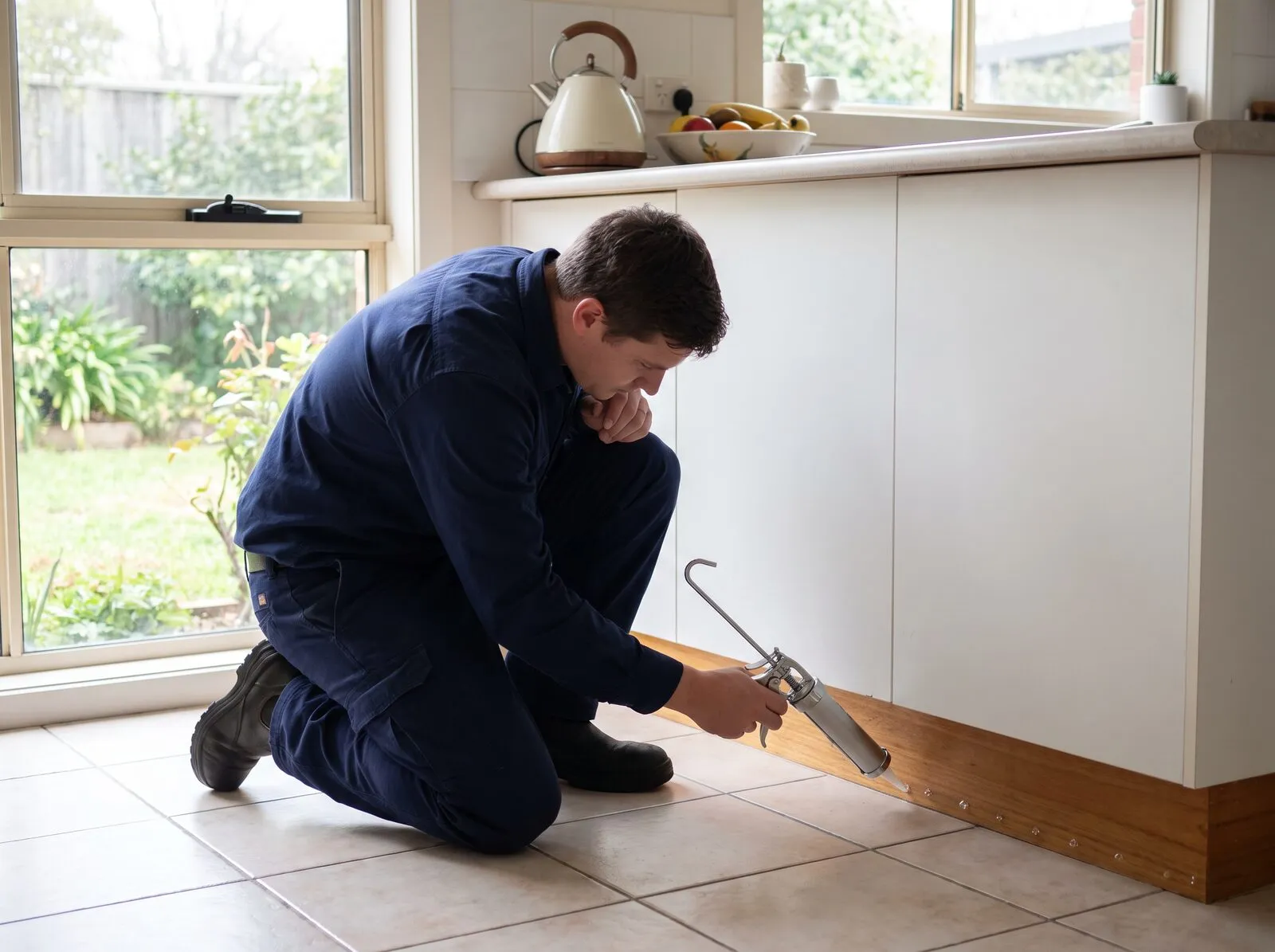
Where German cockroaches and ants actually live: behind the kickboard, under the dishwasher, along the hinge lines of the cupboards, around the sink and laundry. Gel bait goes into that harbourage, not onto the bench you wipe down.
The perimeter and entry points
The line where outside becomes inside: door thresholds, weep holes, the gaps where pipes and cables pass through the wall, the garden bed built up against the brick. Treated where it earns it, and noted where it needs sealing rather than spraying.
Eaves, verandahs and webbing
Spider webbing brushed down from the eaves and window reveals, paper-wasp nests under the gutter line checked and dealt with, the sheltered corners where webbing rebuilds first.
The roof void
A torch through the manhole: spider and wasp activity overhead, and the rodent or moisture signs that tell us this is a bigger job than a general spray. If that is what we find, we say so.
The subfloor, where the house has one
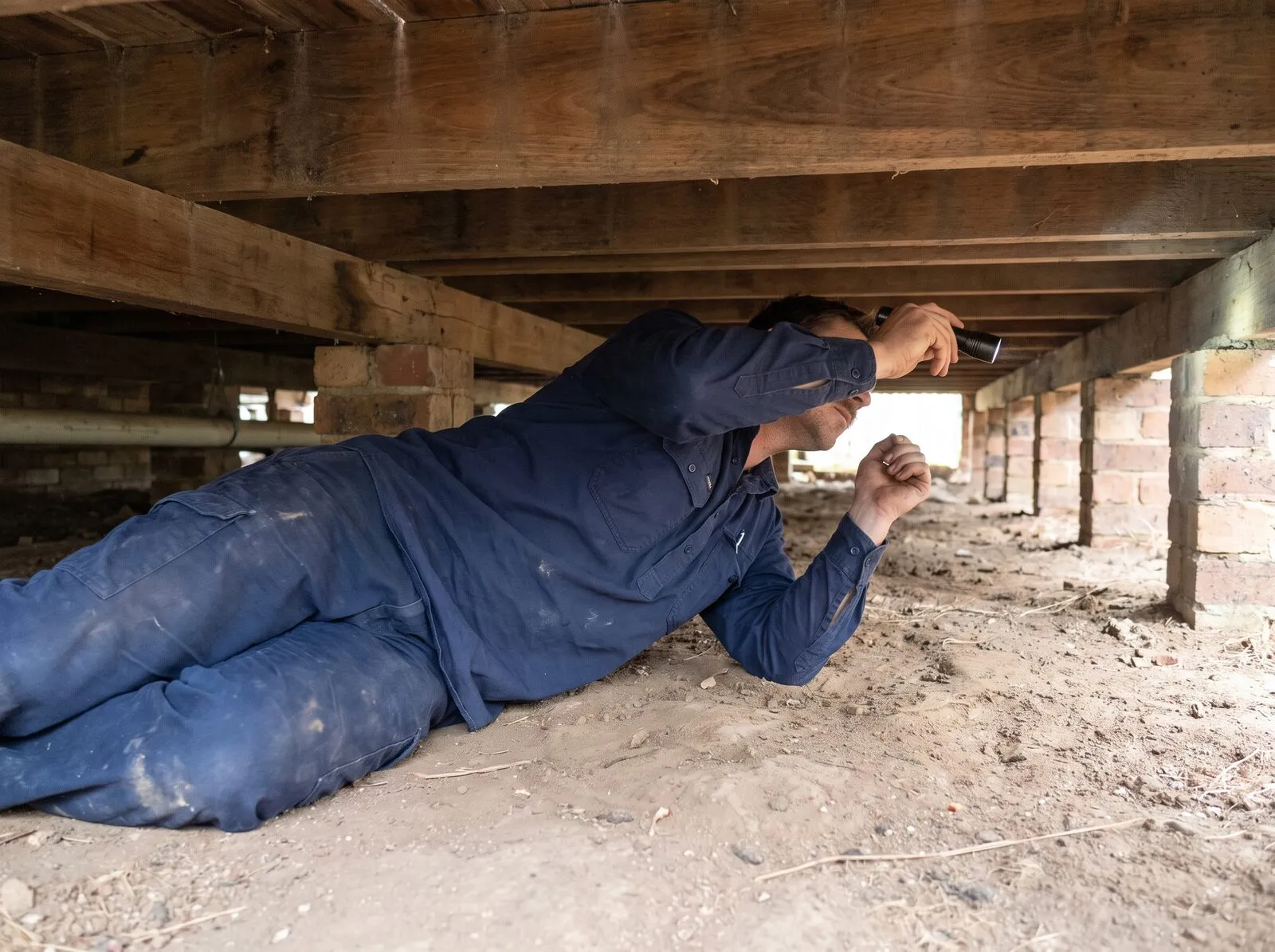
The single most useful crawl in the building. Damp, timber-to-soil contact and the first quiet signs of termites all read here. A general treatment does not treat termites; finding their signs early is half of why the subfloor is checked at all.
The yard timber and fence line
Fences, gates, retaining sleepers, the woodpile and the shed: where redbacks and webbing spiders shelter, and where a walk of the boundary catches what a walk of the lounge room never would.

Plate II, the scope

One visit, these pests

The general treatment is built for the pests that turn up in ordinary numbers and respond to a whole-house visit. The ones that do not are honest about it: they have their own page, their own method, and their own visit.

Their own job, their own page. Termites are an inspection to a standard, never a spray, and if we see a sign we stop and tell you to leave it undisturbed. Rats and mice need baiting matched to the runs plus proofing. Bed bugs want a targeted, multi-visit treatment. A general visit will flag any of these; it will not pretend to be the fix for them.

Plate III, the difference

Identification-led, not spray-and-pray

Two visits can look the same from the doorway and end in completely different results. The difference is not the chemical. It is whether anyone found the pest before they treated for it.

The quick spray

A wet band along the skirting

A perimeter squirt and a lap of the visible edges. It looks like action and it kills what it lands on. But the cockroaches living in the warm void behind the kickboard never walk through it, the ants keep running their sheltered trail, and in a few weeks it is all back. You paid for a smell, not a result.

What we do

Bait where they actually live

The kickboard comes off and the torch goes in first. Gel bait is placed into the harbourage the roaches use, ant bait onto the trail so it is carried back to the colony, and the perimeter is treated only where it will do something. Slower to look busy, far longer to last, because it reaches the pest instead of the paint.

Plate IV, the visit

How the visit runs, start to finish

One booking, one technician, one methodical order. Nothing is quoted before the look, because the look is what decides the treatment.

  1. We look before we treat

    The whole-house walk from Plate I: kitchen and wet areas, perimeter, eaves, roof void, subfloor and yard. The technician is reading harbourage and entry points, and settling which pest is actually the problem, before a single thing is applied.

  2. We treat what the house showed us

    Gel bait into the harbourage, ant bait onto the trails, webbing brushed down, wasp nests dealt with, and the perimeter treated where it earns it. Product choice and placement are matched to what was found and to your household, pets included, not to a script.

  3. We tell you what one visit can and cannot settle

    Some jobs are done in the one visit. Others, a heavy roach population, a house on a pressure line, need a follow-up to prove it worked, and we say which yours is up front rather than after. Anything termite-shaped is escalated to a licensed inspection, never folded into a spray.

Technician applying gel bait along a kitchen kickboard
Gel bait into the harbourage, not onto the bench.
Technician checking a subfloor by torchlight
The subfloor read that catches the big stuff early.
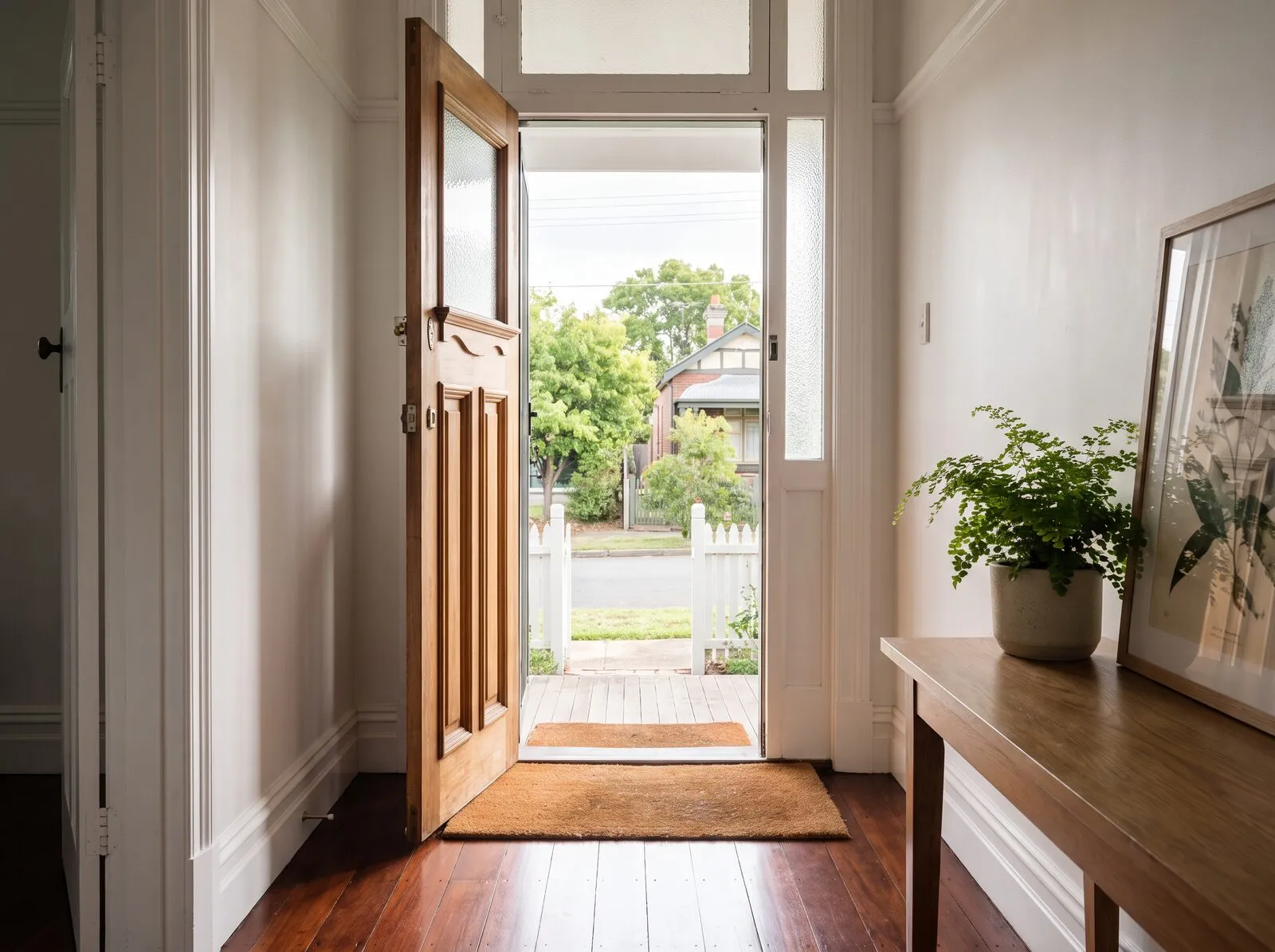
Sunlit hallway of a tidy Federation home
The goal: a house you stop thinking about.

Illustrative photos. Methods described generically; every job is quoted on what your house needs.

Plate V, the money

Per visit, or an ongoing program

There are two honest ways to buy general pest control, and the right one is a question about your house, not a sales tier. Here is the difference in plain terms. Which suits you is a call we make together after the inspection, and never a figure we quote before it.

Option one

A single treatment

One visit, one quote, one job. It suits a specific problem you can name, a light population, or a house that has been quiet and just wants a reset. You pay for the visit and that is the end of it. If the pest is one a single visit genuinely settles, this is all you need, and we will tell you so.

Option two

An annual program

A treatment on a regular cycle, usually timed to the seasons the Hunter's pests actually move on: the spring insect spike, the autumn push indoors. It suits a house on a pressure line, a shared terrace wall, a bush-fringe block, or anyone who would rather it never build up in the first place. It is prevention on a schedule, not a lock-in, and you can stop when it is no longer earning its keep.

Either way the pricing model is the same shape: a general treatment is quoted as a set price for the visit, or as a program across the year. Termite inspections carry their own flat fee, and termite management is only ever quoted after an inspection has told us what the house needs. No figure on this site is invented, and none is quoted before someone has looked at your place.

Plate VI, worth knowing

The honest fine print

Pets and baits. There is no blanket "pet-safe" treatment, whatever a label suggests. What there is: baits placed out of reach in the harbourage rather than sprayed across open floor, and a plan built around your animals. Tell us about the dog, the cat, the chooks and the fish tank in the enquiry and the treatment is shaped to them from the start.

One visit is not always the whole job. A light problem is often done in one. A heavy roach population, or a house getting fresh pressure over a shared wall, usually is not, and baits take time to work through a colony. We say which yours is likely to be before you commit, not after.

A general treatment is not termite treatment. The visit checks for termite signs precisely because it does not treat them. If we find mud leads, hollow timber or alates, we stop, we tell you to leave it undisturbed, and we point you to a licensed timber-pest inspection. Folding termites into a general spray is exactly the shortcut this site refuses.

Renting? Whose job the pests are turns on cause and timing, with the split landing more evenly than either party expects. The renting guide sets it out plainly, and an end-of-lease treatment is its own thing again.

Questions

Asked before booking

How long does a general treatment last?

Longer than a supermarket spray, because it reaches the harbourage, but not forever. A good result on the everyday pests typically holds for months rather than weeks, and the seasons push back: the insect spike in spring, the move indoors in autumn. If your house is on a pressure line, the annual program exists for exactly that reason.

Do I need to leave the house, and empty the cupboards?

Usually far less disruption than people expect. Because the work is targeted gel and bait in the harbourage rather than a fog over everything, most homes carry on around it. The technician will tell you at the visit which surfaces to keep clear and for how long, and any specific step for pets or small children, before anything goes down.

Why can't you just quote me a price over the message?

Because the treatment depends on what the house is doing, and we would rather look than guess. A terrace with a shared roof void, a bush-fringe block and a tidy brick unit are three different visits. Send us what you have seen and your suburb and you get a straight quote back, with what is included spelled out, and no obligation.

Is a spray safe around my vegetable garden and the kids' play area?

It is a question we plan around, not past. Products used in and around a home are registered for that use and applied by a licensed technician to the label, and the placement is chosen to keep treatment off the areas you have named. Tell us where the veggie patch, the sandpit and the pets go, and the plan works around them.

Do you cover my part of the Hunter?

The service runs across Newcastle, Lake Macquarie, Maitland and Port Stephens, and the suburbs between them. If you are on a boundary, ask anyway; the four area pages set out what turns up where, and a suburb is all we need to confirm we cover you.

References
  1. NSW EPA, Pesticide licences. Treating a home for pests is licensed pesticide use in NSW; this is the scheme that governs the pest-management technicians who do the work.
  2. Australian Pesticides and Veterinary Medicines Authority, APVMA. Registers every product a treatment can legally use, and sets the label directions a licensed technician works to.
Next step

Tell us what you have seen

A description and a suburb is enough. A licensed technician reads every enquiry, works out what the job needs, and comes back with a straight answer and a free quote. No obligation, no pressure.