
Rodent control in Newcastle and the Hunter
Scratching in the ceiling at night is the most common first line we get. This page tells you which animal it probably is, what it is doing up there, and what actually gets rid of it: baiting where it is right, trapping where it is not, and proofing so it does not come straight back.
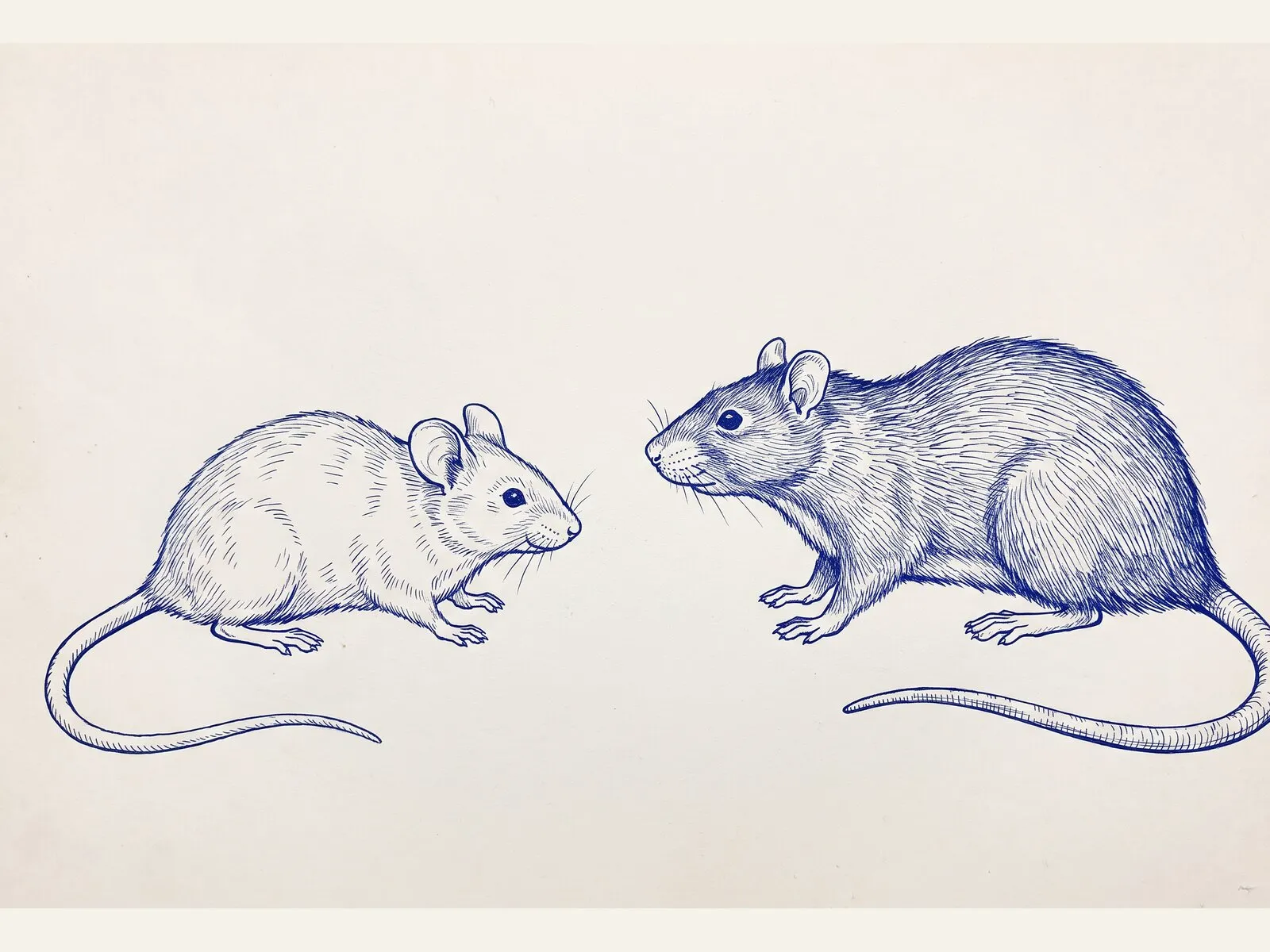
The sign you actually saw
- Scratching or scurrying overhead at night
- Almost always the black rat, the Hunter's roof specialist. A slower dragging sound in the ceiling is more likely a possum, which is protected and a completely different job.
- Droppings
- Rice-grain size and scattered wherever they feed means mice. Olive-pit size with blunt ends, in regular runs, means rats. Fresh droppings are dark and soft-looking; old ones grey and crumbly.
- Chewed packets in the pantry
- Mice mostly. They nibble many things a little rather than one thing a lot, which is why the damage looks everywhere at once.
- Gnaw marks on timber, cables or pipes
- Rodent front teeth grow constantly and they gnaw to wear them down. Cable damage in the roof is the expensive version, and the reason a rodent job is never just about the food.
- A greasy rub mark along a beam or pipe
- Rats run the same route every night and their coat oil stains it. A rub mark is as good as a signed confession, and it tells us exactly where to place things.
- A dead-mouse smell with no mouse
- Something has died in a cavity. Unpleasant but it passes; the real job is working out how it got in.

What they are doing in a Hunter house
The inner suburbs are built for rats. A row of terraces in Cooks Hill or Hamilton is one long connected roof void, and the black rat treats it that way, moving between houses along the top plates. The Federation weatherboards of Mayfield and Islington add generous wall cavities and subfloors to the network. This is why a bait station in one roof fixes one roof for a fortnight: treat the run, not the room.
Out on the Maitland floodplain the rhythm is seasonal. A wet winter fills the paddocks and creek flats with feed, the population booms, and then the water or the cold pushes them indoors in numbers. The weeks after heavy rain are the busiest rodent weeks in our calendar, and the right time to get ahead of it is before the surge, not during.
Everywhere in the Hunter, autumn is moving season. When night temperatures drop, roof voids with warm insulation and a water source nearby fill up first. If you hear them every April, the roof is on a route, and proofing is the only thing that takes it off the route.
What actually gets rid of them
A rodent job that lasts has three parts. Skipping the third is why the cheap version comes back every winter.
Find the runs and the entry points
Droppings, rub marks and gnawing tell us where they travel and where they get in: the lifted valley tile, the gap where the meter cable enters, the unscreened weep hole, the branch touching the gutter. The inspection maps the problem before anything is placed.
Bait or trap, matched to the house
Baiting means locked stations set along the runs we mapped, positioned where children, pets and hunting owls cannot get at them. Where baits are the wrong call, inside living spaces, some households with pets, or where a carcass in a wall would be worse than the mouse, we trap instead. Which one, and where, is a judgement call we make with you, not a default.
Proof the entries so it stays fixed
Stainless mesh in the weep holes, sealed penetrations, brush strips under doors, the gap at the roofline closed. Rodents re-colonise the same way the last lot got in; shut the door and the treatment becomes permanent instead of annual.
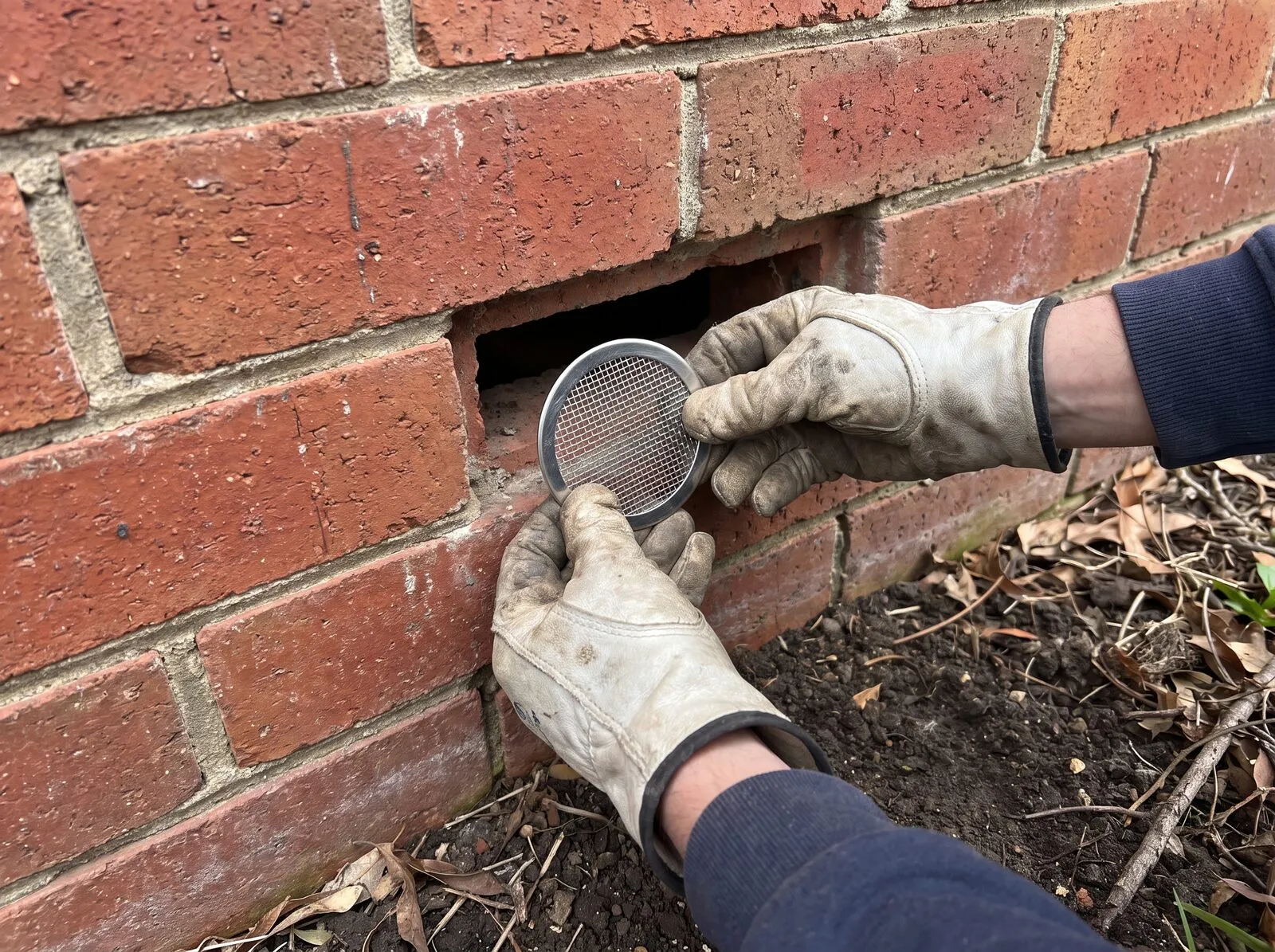
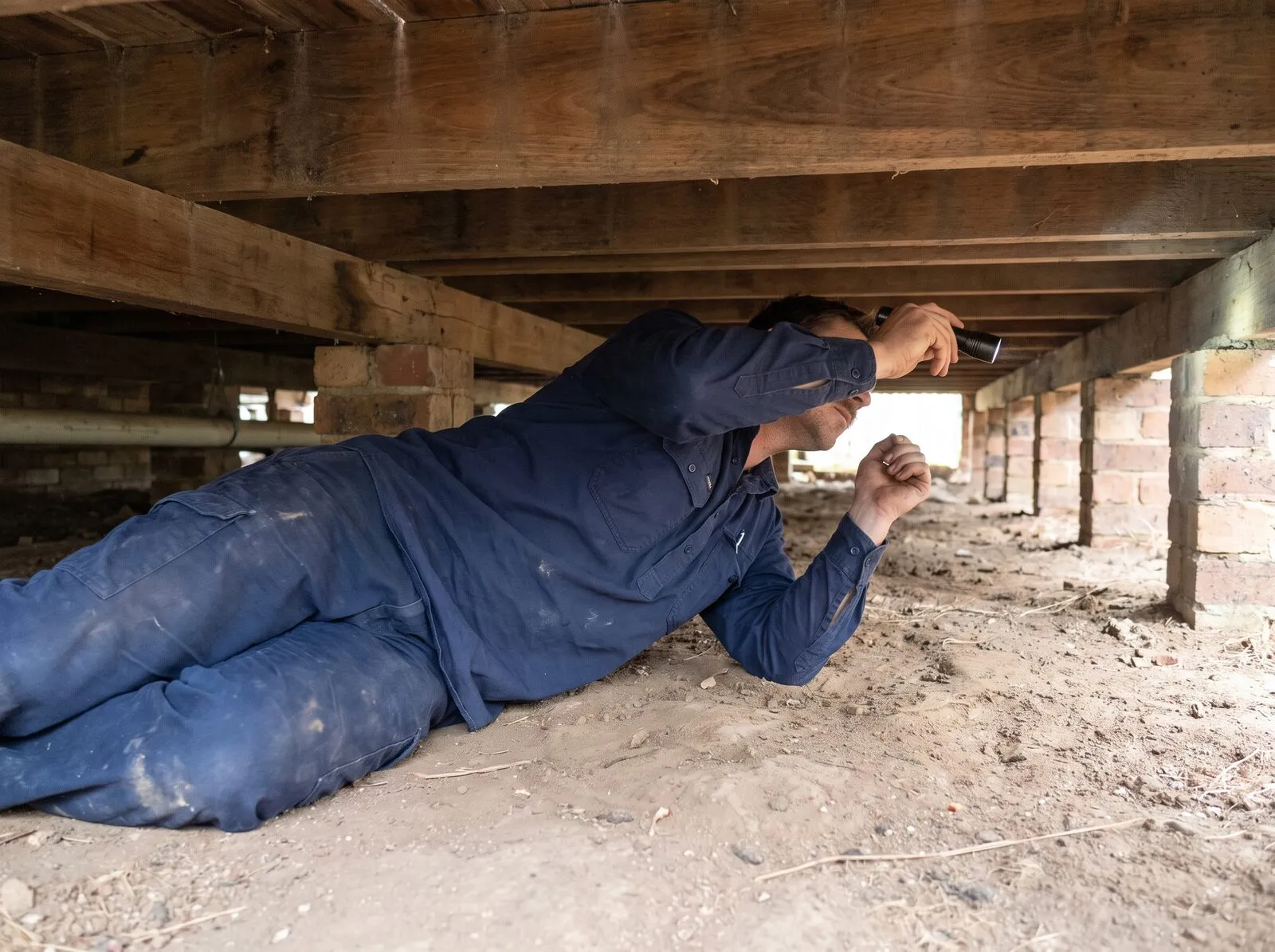
Illustrative photos. Methods described generically; every job is quoted on what your house needs.
The honest fine print
Baits and pets. There is no blanket "pet-safe" bait, whatever a label implies. What there is: locked stations, placement out of reach, and the option to trap instead. Tell us about the dog, the cat and the chooks in the enquiry and the plan is built around them from the start.
The noise might not be rats. A single heavy animal at dusk is usually a possum, which is protected wildlife in NSW. The fix is proofing the entry after it leaves for the night, never baits. If that is what we find, that is what we will tell you. See possums and birds.
Renting? Whose job the rodents are depends on cause and timing, and it is more even-handed than either side usually thinks. The renting guide covers it plainly.
One visit is rarely the whole job. Bait takes time to work through a population, and proofing is only proven when the noise stops. We say so up front rather than selling a one-visit miracle.
Asked every winter
Mouse or rat, does it matter?
Yes, practically. Mice and rats take different bait stations, travel differently and get in through different sized gaps. A mouse fits through a gap the width of a pen. It is the first thing the inspection settles, usually from droppings alone.
Why not just buy bait from the hardware shop?
Loose bait in a roof is how family pets and owls get poisoned, and it usually kills the rodent somewhere you will smell for a month. Licensed work means secured stations on the actual runs, doses matched to the species, and the entry points dealt with. The difference is not the bait, it is everything around it.
How many visits will it take?
It depends on the population and the house, so we will not promise a number before looking. A typical pattern is treat, then a follow-up to confirm activity has stopped and finish the proofing. The quote spells out what is included before you commit.
The scratching stopped by itself. Am I in the clear?
Quiet is not the same as gone. Populations move with food and weather and the route back in is still open. If a roof has had rodents once, it is worth proofing while it is quiet; that is the cheapest version of this job.
Do you handle the dead-animal smell?
Where the carcass can be reached, we remove it as part of the job. Where it cannot, we will tell you honestly that time is the only fix, and deal with what caused it so it does not repeat.
- NSW EPA, Pesticide licences. Rodenticide work around a home is licensed pesticide use in NSW; this is the scheme that governs pest management technicians.
- Australian Museum, Black rat and house mouse. The reference identification for the Hunter's two usual specimens, including the field marks the drawings above lean on.

Tell us what you have seen
A description and a suburb is enough. A licensed technician reads every enquiry, works out what the job needs, and comes back with a straight answer and a free quote. No obligation, no pressure.