
Wasp nest removal in Newcastle and the Hunter
A wasp nest by the back door in January is a job worth doing properly and worth doing soon. The first thing that matters is which wasp you have, because a paper wasp under the eaves and a European wasp in a wall void are two different problems with two different fixes. Tell us where the nest is and we will get to it.
If someone has been stung and is having a bad reaction, with trouble breathing, swelling of the face or throat, or faintness, that is a medical emergency. Call triple zero (000). Wasp stings cause a serious reaction in a small number of people, and that is not something to wait on a quote for.
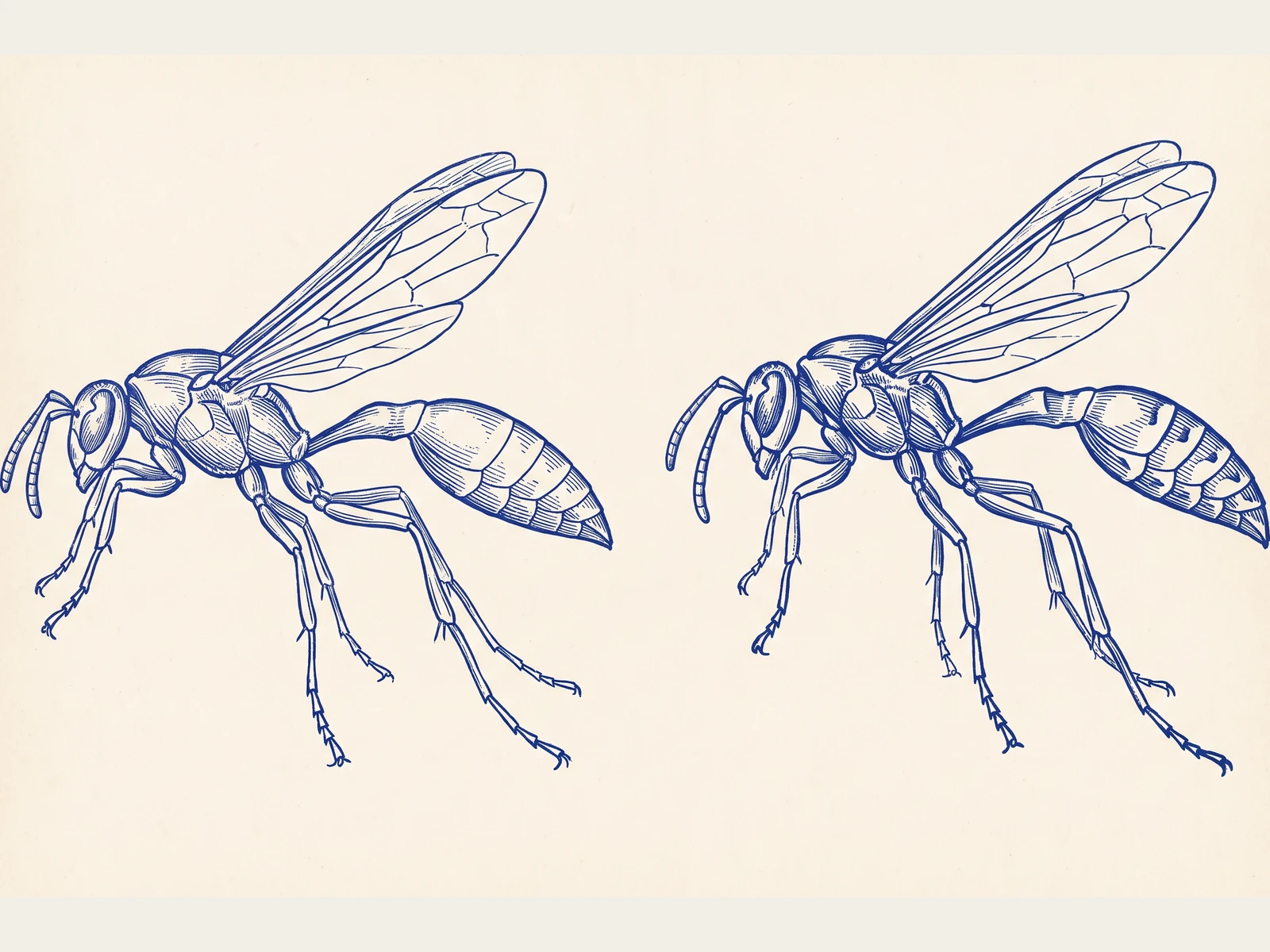
Which wasp is it?
In the Hunter it is almost always one of two. The quickest tell is not the wasp, it is the nest: where it is and whether you can see the cells. An open papery comb hanging in plain sight is a paper wasp. Wasps streaming in and out of a single hole in a wall, a roof gap or the ground, with no nest you can see, is the European wasp, and that is the one that needs care.
Paper wasp
Polistes- Where the nest is
- Out in the open: under eaves and pergolas, along fence rails, in a shrub or a folded outdoor umbrella. You can see it.
- What it looks like
- A small grey papery cone of open six-sided cells, hanging from a short stalk like an upturned umbrella. Often no bigger than a matchbox to a fist.
- Behaviour
- Slim, long-legged, unhurried in flight. Not looking for trouble, but it will defend the nest hard if you are within a metre of it.
- Why it still matters
- A nest over a doorway or a kids' play area is a sting waiting to happen, and a small early one is far easier to deal with than a summer-grown one.
European wasp
Vespula germanica- Where the nest is
- Hidden: inside a wall cavity, a roof void, a compost heap, or underground behind a retaining wall. You see the traffic, not the nest.
- What it looks like
- You rarely see the nest at all. The sign is a steady stream of wasps to and from one small entry point, busiest on a warm afternoon.
- Behaviour
- Stockier, faster, and far more aggressive when the nest is disturbed. It scavenges meat and sweet drinks, so it turns up at the barbecue and the bin.
- Why it matters
- A hidden colony can grow to many thousands by late summer, and a disturbed one defends in numbers. This is the nest not to poke at.
Not sure which you are looking at? A photo of the nest, or of where the wasps are going, settles it faster than a description. Send it through the enquiry form and we can name the wasp for you and say what the job takes.

Why the dusk knock-down with a can usually fails
The standard advice is to wait until dark, when the wasps are home and slow, and hit the nest with a supermarket can. For a small paper nest out in the open, close to reach, that sometimes works. It also puts you on a ladder, in the dark, an arm's length from an insect that stings on the way down. More than one weekend has ended in the emergency department because the nest was bigger than it looked or the footing gave way.
For a European wasp it does not work at all, and the reason is simple: you cannot hit a nest you cannot see. The nest is deep inside the wall or under the ground, and the can only reaches the entrance. You knock down the couple of hundred wasps at the door and the colony of thousands behind them is untouched, now thoroughly stirred up. Wasps do not die when they sting the way a bee does, so a disturbed colony keeps coming, and it comes in numbers.
The worst version is sealing the hole. Block a European wasp's entry and the colony does not give up and die; it chews a new way out, and in a house that new way is often through the ceiling, into the room below. A nest that was a nuisance in the wall becomes wasps in the kitchen. The nest has to be treated first and confirmed dead before anything gets sealed, and that order is the whole difference between a fix and a much worse afternoon.
What actually clears a nest
A wasp job that holds has three parts, and the third is the one the can skips.
Find the real nest, not just the traffic
With a paper wasp the nest is the thing you can see. With a European wasp the visible entry is a starting point, not the answer: the foragers are followed back to where they actually go in, because treating the wrong gap treats nothing. Working out which wasp and where the nest truly sits is the whole first job.
Treat the nest directly, in protective gear
An accessible paper nest is treated at the comb and removed. A hidden European nest is treated at its entry with a dust the returning foragers carry inside to the colony, so the wasps do the delivery into a nest no one can reach. It is done in a bee suit, at the time of day that keeps the most wasps home, and it is not a job to stand under in a t-shirt.
Confirm it is dead, then seal the way in
We do not seal a nest we have not confirmed is finished, for the reason on the plate above. Once the traffic has stopped and the colony is dead, the entry gets closed so nothing re-nests in the same handy void next summer. That last step is why the good version does not come back.
Booking an urgent wasp job. We treat wasp nests as priority work and we get to them quickly, but we will not put a clock time on the site that we cannot promise every day. What helps most is detail: where the nest is, how high, whether it is paper or a hidden entry, and whether somebody at home has a bad reaction to stings. Put that in the enquiry and it is the first thing the technician sees.
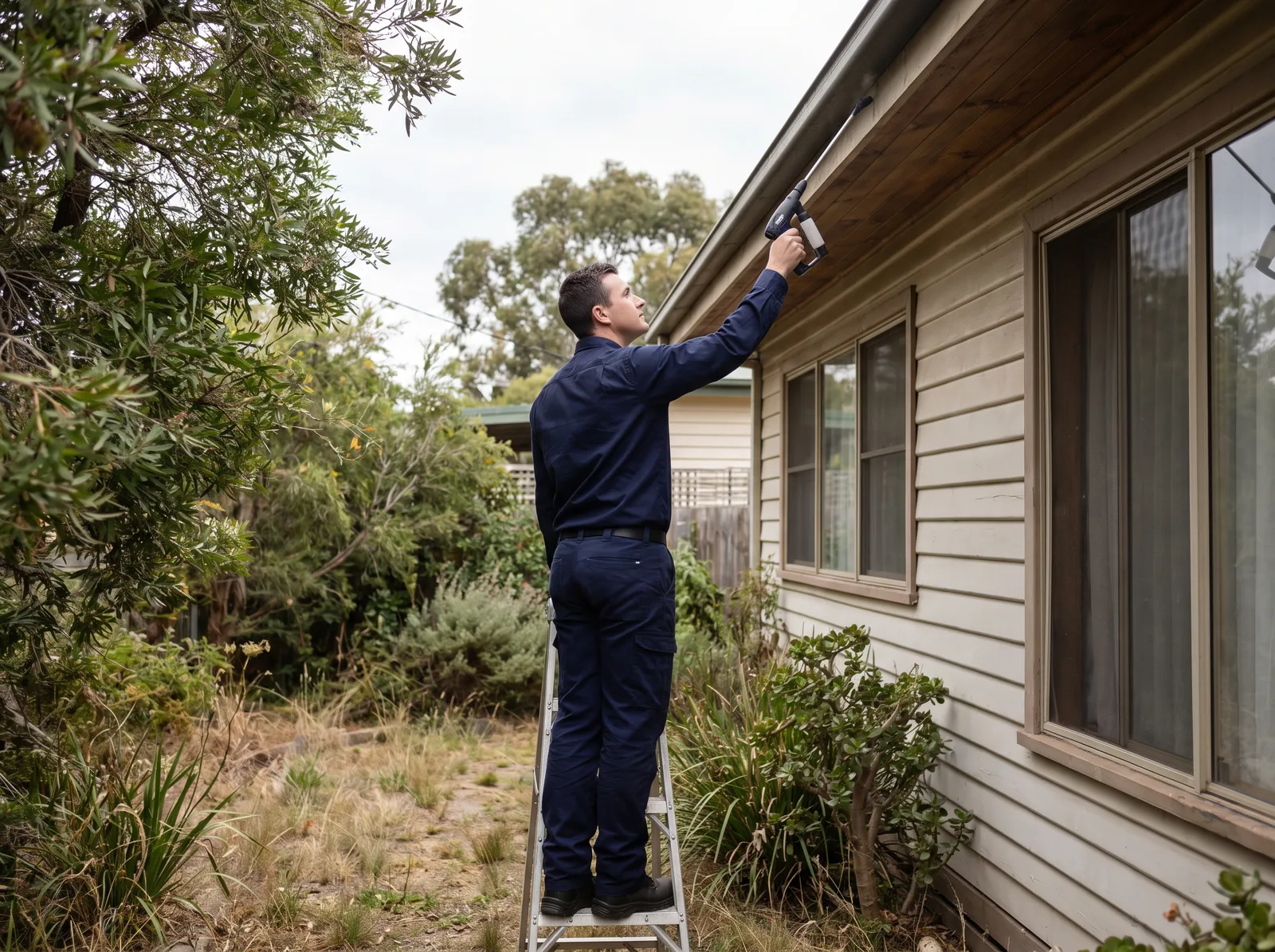
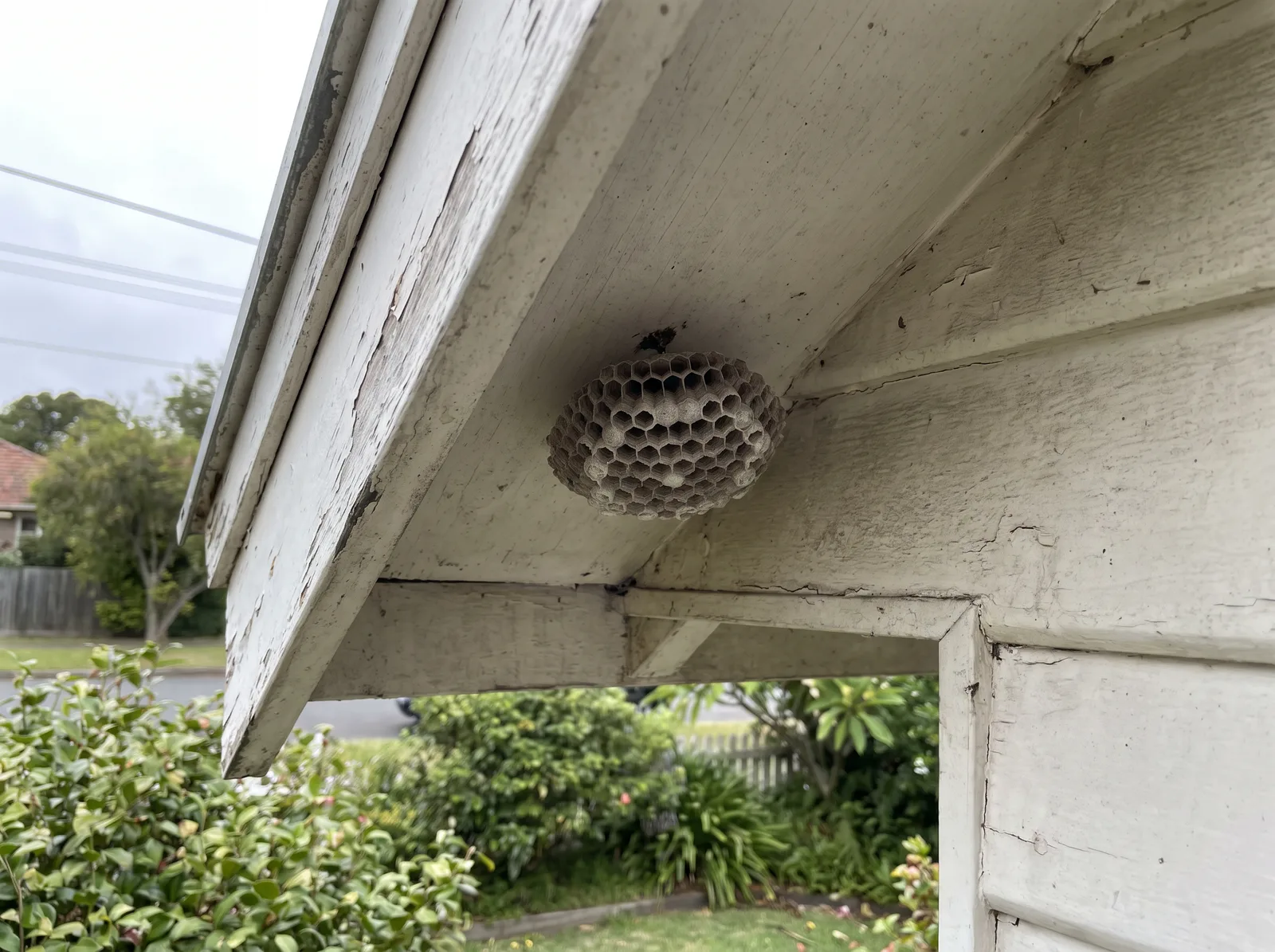
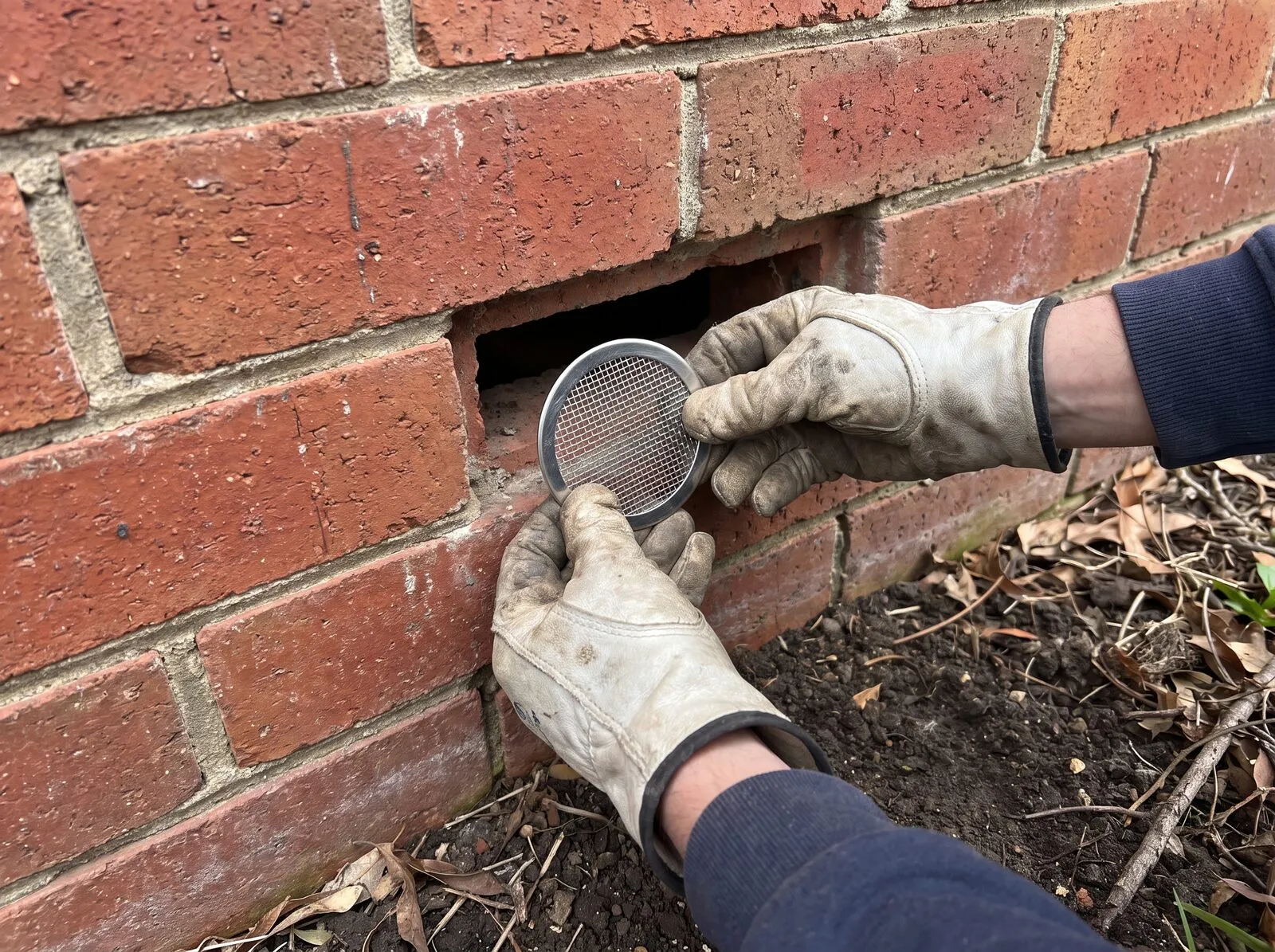
Illustrative photos. Methods described generically; every nest is quoted on what your place needs.
The honest fine print
Bees are not wasps. If it is a rounded golden-brown bee, a swarm hanging in a ball, or a hive in a wall or a tree, that is a job for a beekeeper, not for us to exterminate. Bees matter and there are people who will come and collect them. If what you have is bees, we will say so and steer you to someone who collects them, rather than treat something that should be saved.
A sting reaction is a medical matter. Most stings are painful and pass. A small number of people react badly, and a bad reaction is a triple zero (000) call, not a pest call. If someone in the house is known to react to stings, tell us in the enquiry so we plan around it.
Season decides the size. Paper wasps build up over spring and summer, so the same nest is a five-minute job in November and a real one by March. A European colony left alone can reach many thousands by late summer. Earlier is always the easier version.
Renting? Who wears a wasp nest, tenant or landlord, comes down to cause and timing like most pest questions. The renting guide covers it plainly.
Asked every summer
Can I just knock it down myself?
A small paper nest you can reach from the ground in daylight, some people manage. Anything on a ladder, anything at night, or any hidden entry where you cannot see the nest, is where it goes wrong: you stir up far more than you hit, and European wasps sting again and again. If in doubt, it is a job worth handing over. See the plate above for why the can so often makes it worse.
How do you get a nest that is inside the wall?
You do not open the wall. The nest is treated at the entry point with a dust that the returning wasps walk through and carry inside to the colony, so the wasps deliver it to a nest no one can reach. Once the traffic stops and it is confirmed dead, the entry is sealed so nothing moves back in.
Is it wasps or bees?
Wasps are slimmer, smoother and brighter, with a clear narrow waist; bees are rounder and fuzzier. Wasps in an open papery comb or streaming into a single hole are wasps. A dense hanging ball of insects, or a steady line into a hollow tree, is usually bees, and that changes who you call. A photo settles it.
How fast can you come out?
Wasp nests are priority work and we move on them quickly. We will not publish a guaranteed arrival time we cannot hold to every day, and anyone who does is guessing. Send the detail through the enquiry and the technician reads your actual situation first, not a summary.
Will they come back after treatment?
A treated nest is finished; the colony does not recover. What can happen is a new nest in the same good spot the following season, which is why the entry gets sealed once the old one is dead. Deal with the void, not just the nest, and the same corner stops being an address.
How dangerous are they, really?
For most people a sting is painful and short-lived. The risk is two things: a European colony that can attack in numbers if it is disturbed, and the minority of people who react severely to stings. Respect both and wasps are manageable; ignore either and they are not. If anyone reacts badly, that is a medical emergency first.
- Australian Museum, European wasp. The reference for the hidden-nest, aggressive-when-disturbed behaviour above, and for the point that wasps, unlike bees, can sting more than once.
- Australian Museum, Paper wasps. The open umbrella-comb nest under eaves and branches, and why a paper wasp is only aggressive in defence of its nest.

Tell us what you have seen
A description and a suburb is enough. A licensed technician reads every enquiry, works out what the job needs, and comes back with a straight answer and a free quote. No obligation, no pressure.