
Silverfish control in Newcastle and the Hunter
Silverfish do their damage quietly, in the cupboard and the stored box, on the things you only miss when you go looking for them. This page tells you how to know it is silverfish and not a moth, what the damp coastal air and old plaster have to do with it, and why the honest fix is usually part of a general treatment rather than a job of its own.
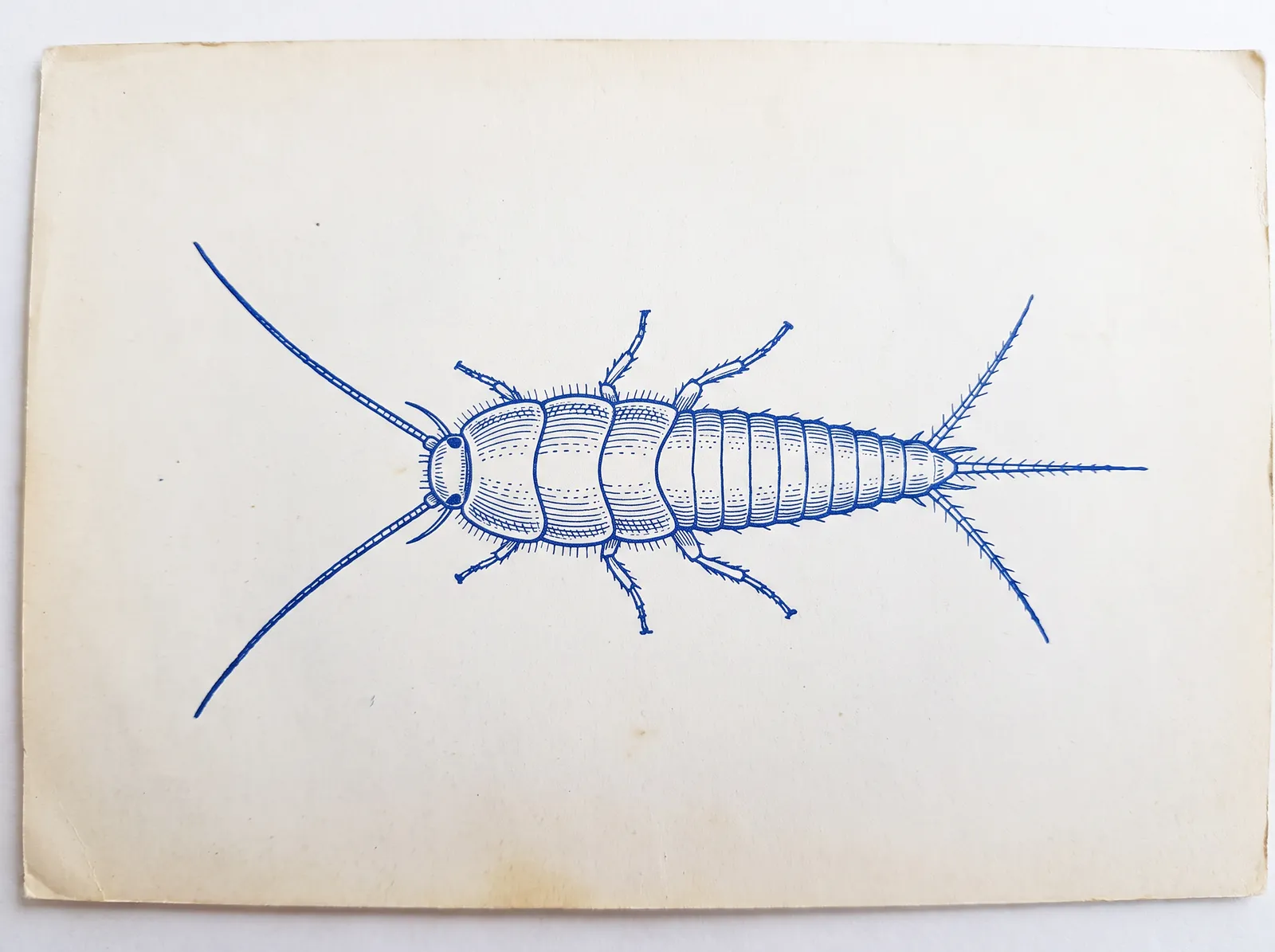
The sign you actually saw
- Grazed patches and small holes in paper
- Books, magazines, wallpaper, cardboard, old photos and documents. Silverfish graze the surface rather than punch clean holes, so the damage looks scuffed and irregular, often worst along an edge or a fold where they can tuck in.
- Yellow stains and tiny black specks
- A faint yellowing on paper and fabric, and a scatter of pepper-like droppings wherever they feed. On a pale bathroom shelf or the bottom of a drawer the specks are the giveaway.
- The animal itself, caught by the light
- Silver-grey, roughly the length of a staple, a body that tapers like a carrot from a broad head to a narrow tail, and three long bristles trailing behind. When a light comes on they dart with a quick side-to-side wriggle, which is where the fish in the name comes from.
- Shed skins in drawers and boxes
- Silverfish moult their whole lives, so a still, undisturbed box of stored paper collects tiny pale cast skins as well as the live animals.
- Where you find them
- The damp, dark, undisturbed rooms: the bathroom, the laundry, under the kitchen sink, the back of a wardrobe, the bookshelf against an outside wall, and any box that has sat in a garage or roof void for a year.
- Not a moth, not a firebrat
- Clothes-moth damage is on wool and animal fibres; silverfish go for starch, paper and glue instead. A firebrat looks similar but is mottled rather than silver and likes hot dry spots, near a hot-water system or behind the oven, not the damp ones.

What they are doing in a Hunter house
Silverfish are a humidity story from start to finish, and the Hunter gives them the humidity. The coastal air sits damp for much of the year, the salt-band and low-lying suburbs keep subfloors and wall cavities from ever fully drying out, and a wet run of weeks tips a slow simmer into a noticeable population. This is why silverfish do not have a season on the calendar the way ants or wasps do; they track the moisture, so a poorly ventilated bathroom is in season all year.
The older housing stock feeds them as well as houses them. A Federation or mid-century home is full of what a silverfish eats: the paper backing on plasterboard, the paste behind old wallpaper, the starch in lath-and-plaster, and the cardboard and books stored in cupboards that have not been opened since the last move. The house is, quite literally, a pantry.
The real reservoir is usually out of sight. The roof void is warm, dark and undisturbed, stacked with dusty paper and old insulation, and it holds the population that keeps topping up the ones you see in the bathroom. A box of documents in the garage or under the house does the same job on a smaller scale. Treat what you can see and the void quietly restocks it; that is the whole reason a can of surface spray never seems to finish the job.
What actually dries the problem up
Silverfish are one of the few pests where half the answer costs nothing and does not involve us. The order matters more than the chemical.
Take away the damp and the dark
Ventilate the wet rooms, run the bathroom fan, fix the dripping trap under the sink, and lift stored boxes off a concrete floor into sealed plastic tubs. Silverfish cannot hold a population without moisture and undisturbed harbourage, so drying the room out and sealing the larder is genuinely half the job, and it is the half you can start today.
Dust the voids where they live
The population you never see sits in the roof void and the wall cavities. A residual dust placed there reaches them at the source, which a surface spray in the bathroom simply cannot do. This is the step that stops the room being restocked, and it is licensed work for a reason: the right dust, in the right places, out of reach of anyone in the house.
Fold it into the whole-house visit
Here is the honest part. Silverfish rarely earn a callout of their own. They are already on the list a general pest treatment covers, alongside the cockroaches and spiders most homes have going at the same time: the external perimeter, the internal skirting run and the roof-void dust all catch silverfish on the way through. If they are the only thing you have noticed, we will often tell you to sort the storage and ventilation first and pick the treatment up at your next general visit.
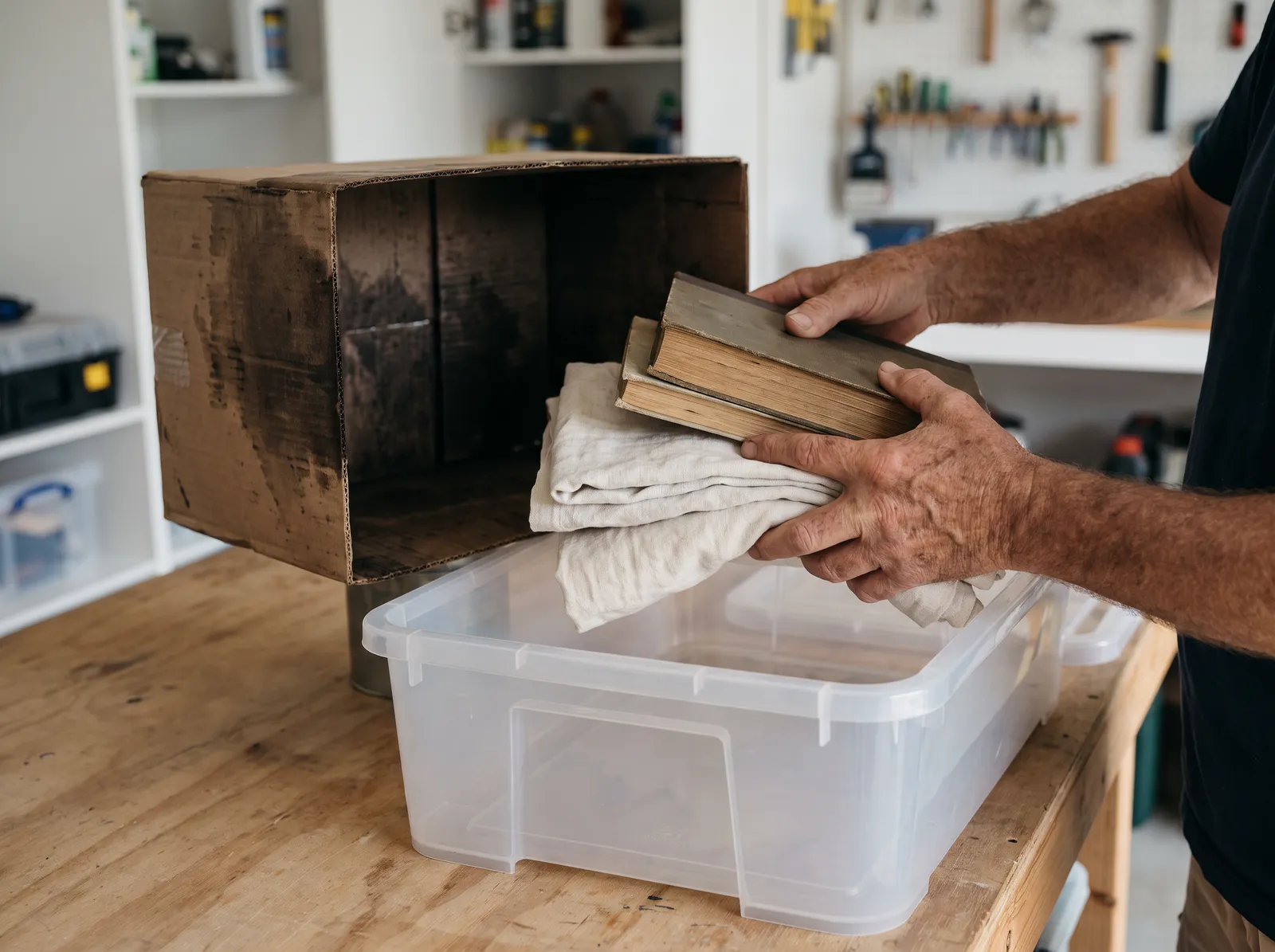
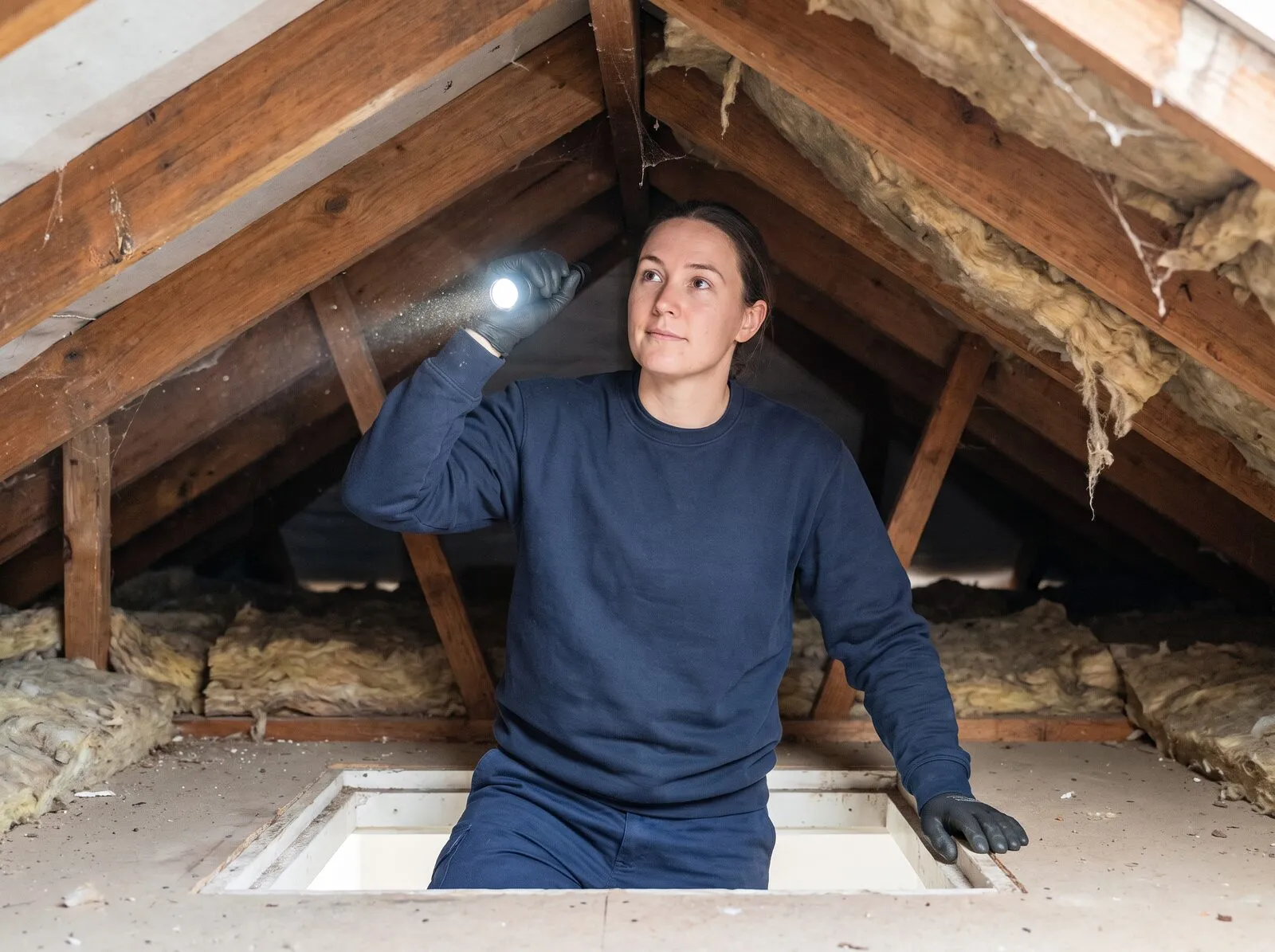
Illustrative photos. Methods described generically; every job is quoted on what your house needs.
The honest fine print
They do not bite or spread disease. Silverfish are a damage-and-nuisance pest, not a health one. What they cost you is the book, the wallpaper, the box of photos, not your wellbeing, so there is no reason to panic and no reason to blitz the house with chemical.
One spray is not a cure. A surface spray kills what it touches in the bathroom and misses the reservoir in the roof void and the stored boxes, which is why it always seems to come back. The lasting fix is the moisture and the harbourage, with treatment placed where the population actually is.
You may not need us for silverfish alone. If they are the only thing you have seen, the straight answer is often storage and ventilation first, then fold any treatment into a general visit rather than book a job just for them. We would rather tell you that than sell you a standalone callout you did not need.
Protect what matters on paper and fabric. Documents, books and heirloom linen belong in sealed containers, not cardboard. A good box beats any spray for the things you cannot replace.
The damp is worth understanding for its own sake. The same subfloor and cavity moisture that keeps silverfish comfortable is what termites forage toward, so if a room is damp enough to feed them it is worth knowing why. That is a ventilation and conducive-conditions question, not a reason to worry; it is simply why we look at moisture on any inspection.
Asked about silverfish
Are silverfish dangerous?
No. They do not bite, they do not sting and they carry no disease. The harm is to paper, fabric and stored food starch, which makes them a nuisance and a damage pest rather than anything to be alarmed about.
Why do they keep turning up in the bathroom?
Because it is the wettest, darkest, least-ventilated room in most houses, and humidity is what silverfish need. Drying the room out, running the fan and clearing the damp clutter under the sink takes away the exact conditions they came for.
Will one treatment get rid of them?
Treatment brings the population right down. By itself it rarely settles them for good, though, because the roof void keeps restocking the rooms below. The reliable result comes from the three parts together: dry the room, seal the storage, and dust the void where they actually live.
Do I need a special silverfish treatment, or is it part of the general one?
Almost always part of the general one. The perimeter spray, the internal skirting run and the roof-void dust in a standard general treatment already reach silverfish, so if you have them alongside the usual cockroaches and spiders, one visit handles the lot. A dedicated silverfish job is the rare exception, not the rule.
They are eating my books and wallpaper. What stops that?
For the things you cannot replace, sealed containers and a dry, ventilated room do more than any spray. For the wallpaper and fixed plaster, it is the void dusting and the moisture control that count, because those reach the population feeding on the paste behind the wall.
Are silverfish a sign of a damp or termite problem?
They are a reliable sign of humidity. That does not mean termites, but persistent damp is worth understanding either way, because the moisture that suits silverfish is also what termites forage toward. If a room stays damp we will look at ventilation and drainage as part of the picture, not as a scare.
- Australian Museum, What does a silverfish look like?. The reference identification for the silvery tapered body and the three tail bristles the drawing above leans on.
- NSW EPA, Pesticide licences. Residual dusting and internal treatment around a home is licensed pesticide use in NSW; this is the scheme that governs pest management technicians.

Tell us what you have seen
A description and a suburb is enough. A licensed technician reads every enquiry, works out what the job needs, and comes back with a straight answer and a free quote. No obligation, no pressure.